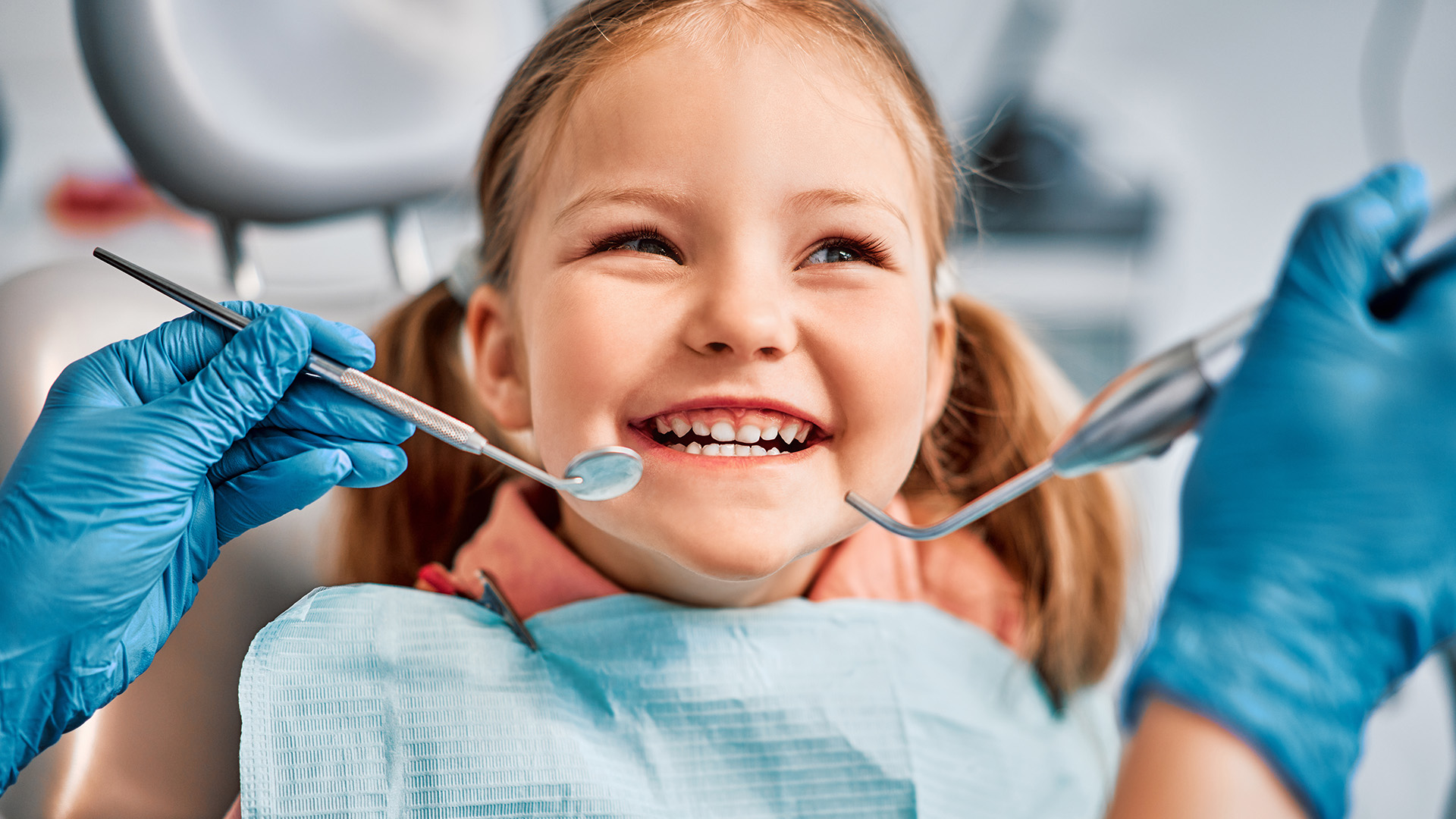
Pediatric dentists focus exclusively on the oral health of infants, children, and teens, including those with special health care needs. Their advanced training, child-centered approach, and tailored services make them uniquely qualified to guide growing smiles through every stage. If you are asking what makes a pediatric dentist more specialized, the answer rests in their education, environment, and techniques designed specifically for kids. Understanding the importance of pediatric dentistry highlights why this specialization benefits children and families over the long term.
Understanding Pediatric Dentistry
A pediatric dentist is a dental specialist who prevents, diagnoses, and treats oral health conditions in children from infancy through adolescence. They work closely with parents and pediatricians to monitor growth and development, support healthy habits, and provide age-appropriate care. This foundation underscores the importance of pediatric dentistry for establishing healthy routines early.
Their education extends beyond dental school. After earning a DDS or DMD, pediatric dentists complete a two- to three-year hospital or university-based residency centered on child development, behavior guidance, dental trauma, sedation, and care for patients with special needs. This additional training equips them to manage the clinical and emotional needs unique to children and demonstrates what makes a pediatric dentist more specialized than a general practitioner.
Pediatric dentistry differs from general dentistry in both scope and approach. While general dentists treat adults and may see children, pediatric dentists dedicate their practice to kids and tailor every detail to developing teeth and jaws. They use smaller instruments, child-friendly language, and age-specific protocols to provide safe, comfortable, and effective care, reinforcing the importance of pediatric dentistry for growing patients.
Why Specialized Care Matters for Children
Children are not just small adults. Their teeth, jaws, and oral tissues change rapidly, and habits such as thumb sucking, pacifier use, and diet directly influence growth. A pediatric dentist understands eruption patterns, differences in baby tooth enamel, and how to time care to support proper development and bite alignment. These capabilities are central to what makes a pediatric dentist more specialized.
Dental anxiety is common in young patients. Pediatric dentists use evidence-based behavior guidance, including tell-show-do, positive reinforcement, distraction, and parent coaching, to build confidence and cooperation. When appropriate, they are trained to provide nitrous oxide and minimal sedation, and to coordinate advanced options to ensure safety and comfort.
The environment matters, too. Bright, welcoming spaces, playful decor, smaller chairs, and sensory-aware touches help children feel at ease. Appointments are structured for shorter attention spans, and visual aids help kids learn. This supportive setting encourages positive experiences and builds lifelong oral health habits, highlighting the importance of pediatric dentistry from the first visit onward.
Unique Services Offered by Pediatric Dentists
Preventive care is customized for growing smiles. Common services include age-appropriate cleanings, fluoride treatments to strengthen enamel, sealants for cavity-prone molars, individualized home-care coaching, and nutrition counseling that addresses frequent sugar exposures from bottles, sippy cups, and snacks.
Behavior management is central to pediatric dentistry. Beyond compassionate communication, specialists use desensitization, modeling, and step-by-step acclimation to help children succeed in the chair. For kids with high anxiety, special health care needs, or extensive treatment needs, pediatric dentists can coordinate sedation or hospital dentistry with medical teams, underscoring what makes a pediatric dentist more specialized in complex situations.
Specialized treatments target common childhood issues. These may include managing early childhood caries, using silver diamine fluoride to halt decay, placing space maintainers after premature tooth loss, evaluating and treating tongue or lip ties (frenectomy), addressing dental injuries and trauma, offering interceptive orthodontic guidance, and providing habit counseling for thumb or pacifier use. Every service is delivered with careful attention to growth, comfort, and safety.
- Preventive: Cleanings, fluoride, sealants, home-care and diet guidance
- Behavior guidance: Tell-show-do, positive reinforcement, desensitization
- Sedation options: Nitrous oxide, minimal sedation, hospital dentistry coordination
- Targeted treatments: Early decay management, space maintainers, frenectomy evaluation, trauma care, interceptive orthodontics
The Importance of Early Dental Visits
The American Academy of Pediatric Dentistry recommends a child’s first dental visit by age one, or within six months of the first tooth erupting. These early appointments are quick, gentle, and focused on parent education and helping the child become comfortable in the dental setting.
Early intervention offers clear benefits. Pediatric dentists can assess cavity risk, evaluate oral development, and provide personalized prevention plans. Guidance on brushing technique, fluoride use, feeding practices, and habits helps caregivers make informed choices from the start, reflecting the importance of pediatric dentistry in prevention.
Regular early visits can prevent future problems. Routine checkups catch concerns like weak enamel, improper eruption, or early bite discrepancies before they become complex or costly. Establishing a dental home also ensures you have a trusted team ready for emergencies, from chipped baby teeth to sports injuries, so your child receives prompt, child-focused care when it matters most.
How Pediatric Dentists Personalize Care by Age
| Age Range | Focus Areas | Common Services |
| Infants to Age 2 | Eruption monitoring, feeding guidance, cavity risk | Knee-to-knee exams, fluoride varnish, habit counseling |
| Ages 3 to 6 | Establishing routines, managing anxiety, injury prevention | Cleanings, sealants, behavior guidance, early decay management |
| Ages 7 to 12 | Mixed dentition, space management, sports safety | Orthodontic screening, space maintainers, mouthguards |
| Teens | Independence, nutrition, orthodontic coordination | Advanced hygiene coaching, interceptive orthodontics, injury care |
Choosing a Pediatric Dentist
When selecting a pediatric dentist, look for residency training and board certification, a child-friendly environment, and a communication style that supports your family. Ask about experience with special health care needs, sedation options, emergency availability, and how they partner with parents to build healthy habits. These factors capture the importance of pediatric dentistry in ensuring comprehensive, age-appropriate care.
- Specialty credentials and hospital affiliations
- Kid-focused design and sensory-sensitive accommodations
- Clear explanations and collaborative treatment planning
- Preventive philosophy and evidence-based care
The right pediatric dentist will make visits positive and productive, helping your child feel safe while protecting their smile as they grow. Ultimately, what makes a pediatric dentist more specialized is the combination of advanced training, tailored environments, and child-specific techniques that support healthy development at every stage.