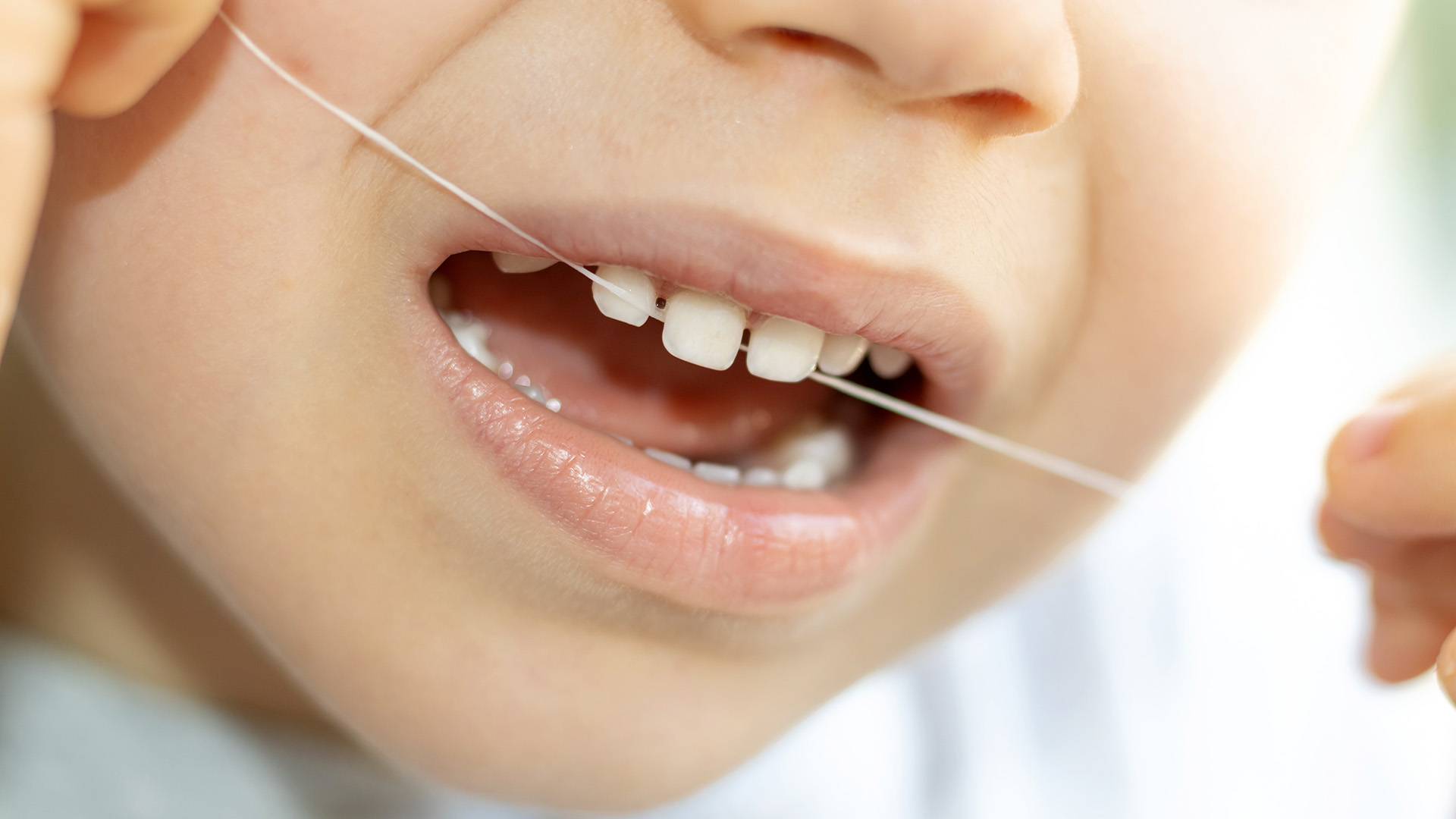
Yes, once your baby has two teeth that touch, flossing should become part of their daily oral care. If you’re wondering should you floss a baby’s teeth, the answer is that flossing is appropriate as soon as adjacent teeth make contact. Baby teeth are essential for chewing, speech development, and guiding adult teeth into the right position. Introducing gentle flossing early helps prevent cavities between teeth and supports healthy gums. Families who ask “should you floss” a child’s teeth can feel confident that early, careful flossing supports healthy habits and lifelong oral wellness.
When Should You Start Flossing Your Baby’s Teeth?
Many babies begin teething around 6 months, often with the lower front teeth emerging first. More teeth typically erupt over the next two years. You don’t need to floss a single tooth, but as soon as two teeth touch, plaque and food can become trapped in those tight spaces. If you’ve been asking should you floss a baby’s teeth, start when those contact points appear.
Pediatric dental guidance recommends starting flossing when adjacent teeth make contact. This frequently happens with front teeth in the first year and later with molars after age one. Beginning at that point helps prevent early childhood cavities in areas a toothbrush can’t reach. For parents still wondering should you floss at this early stage, consistent, gentle flossing is a simple way to reduce risk between tight contacts.
Watch for signs it’s time to start: teeth that visibly touch, food getting stuck between teeth, gums that look inflamed or bleed during cleaning, and persistent bad breath. If you’re unsure whether your child’s teeth are touching, schedule a visit with a dental professional for a quick assessment and personalized recommendations.
Why Is Flossing Important for Babies?
Flossing removes plaque between teeth and just beneath the gumline, places a toothbrush cannot easily reach. Clearing these areas lowers the risk of cavities that often form between baby teeth and helps prevent gingivitis, which can cause tender, swollen, or bleeding gums.
Starting early builds lifelong habits. Children who learn that flossing is a simple part of their nightly routine are more likely to continue that behavior into adolescence and adulthood, reducing their long-term risk of tooth decay and gum disease. Parents asking “should you floss a baby’s teeth” can feel reassured that early flossing supports overall oral health.
Healthy baby teeth also protect the development of adult teeth. They hold space for permanent teeth and guide their eruption. Cavities, infections, or the early loss of baby teeth can influence alignment and jaw growth. Keeping the spaces between baby teeth clean supports a smoother transition to a well-aligned smile. If you’re still considering “should you floss” during the toddler years, maintaining clean contacts helps protect spacing and comfort.
How to Floss Your Baby’s Teeth Effectively
Make flossing simple and gentle:
- Wash your hands and position your baby comfortably with their head supported.
- Use a short length of floss or a soft floss pick designed for small mouths.
- Gently guide the floss between two touching teeth.
- Curve the floss into a C-shape around one tooth and slide it up and down along the side of the tooth and just under the gumline.
- Repeat on the neighboring tooth before moving to the next contact.
- Keep pressure light and motions slow and controlled.
- Finish by brushing with a smear of fluoride toothpaste if recommended by your pediatric dentist.
Helpful tools include soft, flexible floss picks, waxed string floss for smoother glide, and flossers with ergonomic handles that give parents better control. Choose gentle, non-abrasive products. If your child has space maintainers or unique spacing concerns, ask your dental team for customized flossing techniques.
Focus on making flossing positive and consistent. Keep sessions brief, sing a song, and let your child watch in a mirror to build curiosity and cooperation. Praise small successes and aim to floss at the same time each day, ideally in the evening. For fussy moments, try flossing after bath time when your child may be more relaxed. If you’re still wondering should you floss a baby’s teeth every day, daily flossing at contacts is a good goal once teeth touch.
If you have questions about spacing, alignment, or how early oral habits may affect future orthodontic needs, consult a dental professional. They can confirm whether adjacent teeth are contacting, demonstrate technique, and offer guidance tailored to your child’s stage. For parents who ask should you floss, personalized advice helps ensure gentle, effective care and confident smiles.