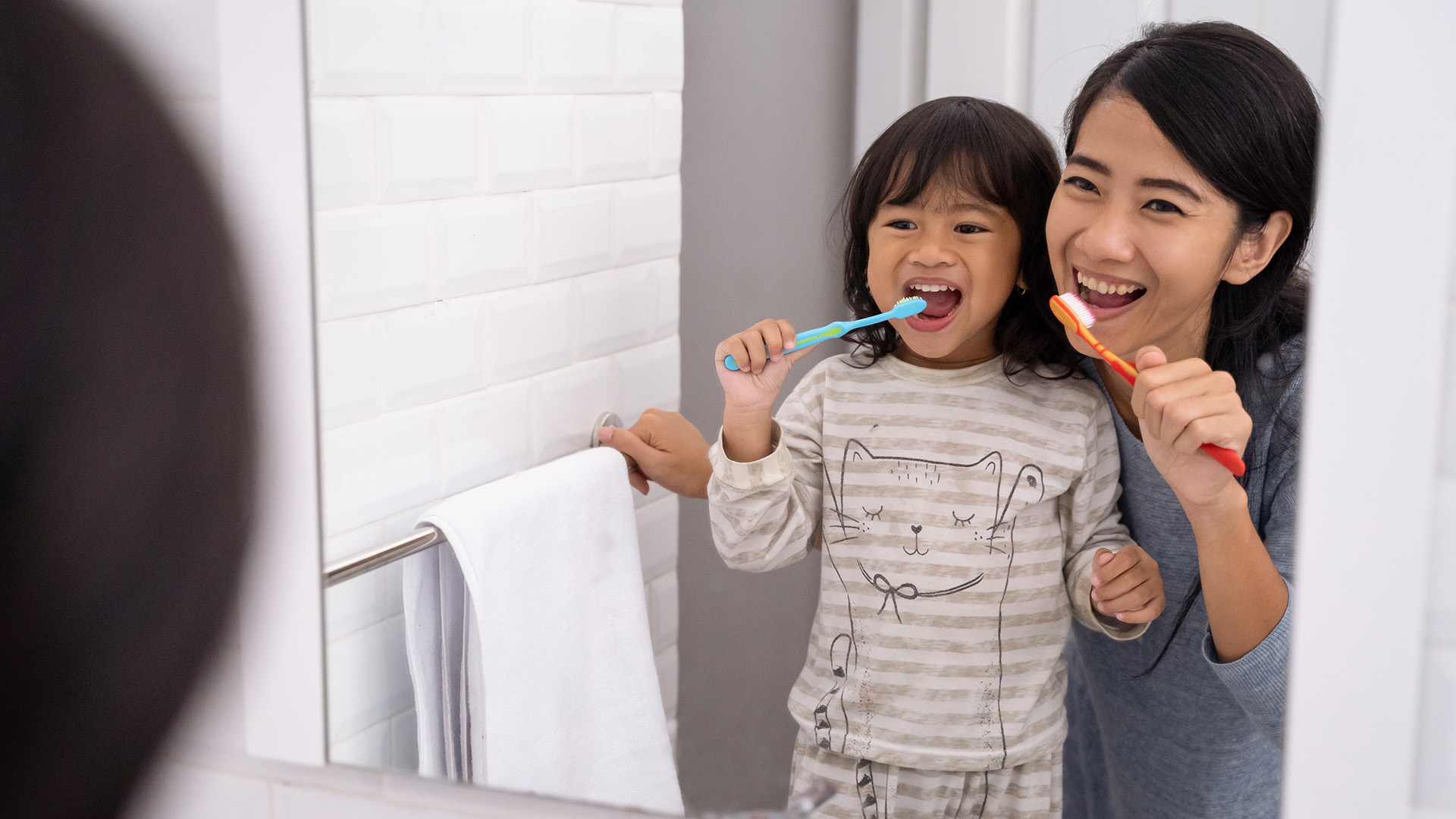
Healthy baby teeth lay the groundwork for lifelong oral health. If you are searching for how to brush a toddlers teeth, this guide explains what to expect as teeth erupt, how to pick the right tools, step-by-step brushing techniques, and ways to make the routine positive. With consistent habits and the right approach, you can protect your child’s smile and prevent cavities from the start. Parents often ask how to brush a toddler’s teeth in a way that is gentle, effective, and stress-free, this guide covers exactly that.
Understanding Toddler Dental Development
Most children start teething around 6 months, and primary (baby) teeth typically finish erupting by ages 2 to 3. The lower central incisors usually appear first, followed by upper central incisors, lateral incisors, first molars, canines, and second molars. Timing varies from child to child, and small differences are normal.
Early care matters. Baby teeth help your child chew, speak clearly, and hold space for permanent teeth. Establishing brushing early lowers the risk of early childhood caries and helps kids feel comfortable with daily oral care.
Common issues in toddlers include teething discomfort, white spot lesions (early enamel weakening), cavities from frequent snacking or sugary drinks, and plaque along the gumline. Falls and bumps can also injure the mouth. If you notice ongoing pain, swelling, bleeding, or spots on the teeth, contact a pediatric dentist.
Essential Tips for Effective Tooth Brushing
Choose a soft-bristled, small-headed toddler toothbrush that fits your child’s mouth. Replace it every three months or sooner if the bristles fray. Use fluoride toothpaste as soon as the first tooth appears. From the first tooth until age 3, use a smear the size of a grain of rice. Around ages 3 to 6, when your child can reliably spit, use a pea-sized amount. Fluoride strengthens enamel and helps prevent cavities.
Use this simple, reliable technique:
- Position: Make sure you can clearly see the teeth. Try sitting knee-to-knee with another adult, or have your child lean back against your chest.
- Angle: Hold the brush at a 45-degree angle toward the gumline.
- Motions: Use small, gentle circles on the outside, inside, and chewing surfaces of every tooth.
- Focus areas: Pay extra attention to the gumline and back molars where plaque builds up.
- Tongue: Lightly brush the tongue to reduce bacteria and freshen breath.
- Timing: Brush for two minutes, twice a day, morning and before bed.
- For non-spitters: Wipe away excess toothpaste with a soft cloth if your child cannot spit yet.
Children need help brushing until at least age 6 to ensure all surfaces are cleaned. Supervise closely even after they start brushing on their own.
Build a routine that sticks. Brush at the same times each day, use a timer or short song to reach two minutes, and offer specific praise for cooperation. Let your toddler choose the toothbrush color or character, and brush together so they can copy your technique. Keep snacks and drinks other than water away from bedtime to reduce cavity risk.
Handling Resistance and Tantrums
Resistance is common at this age. Stay calm, be consistent, and keep the routine brief but thorough. Offer simple choices that keep you in charge, such as, “Do you want the blue brush or the green one?” For gentle positioning, seat your child on your lap facing away, support their head, and brush steadily. If your child bites the brush, pause, then resume with light circular motions. Avoid power struggles by acknowledging feelings and returning to the task: “You don’t like this, and we still need to keep your teeth healthy.”
Make brushing more fun with a few easy strategies:
- Two-brush method: Give your child one brush to hold while you do the actual cleaning with another.
- Timers and music: Use a two-minute sand timer, a song, or a brushing app to guide the length of brushing.
- Playful language: Turn it into a game, “Let’s tickle away the sugar bugs.”
- Rewards: Try a weekly sticker chart with a small, non-food reward for consistent brushing.
- Modeling: Let your child brush your teeth first, then switch, or brush side-by-side in the mirror.
Seek professional guidance if you notice persistent bleeding gums, white or brown spots on teeth, bad breath that does not improve with brushing, mouth pain, or any injury to the lips, teeth, or gums. Schedule your child’s first dental visit by their first birthday or within six months of the first tooth. A pediatric dentist can demonstrate brushing techniques, discuss fluoride, evaluate growth and development, and tailor advice to your child. If tantrums make brushing unmanageable despite consistent efforts, ask your dentist for behavior strategies and an in-office demonstration to help your child feel more at ease. If you are still unsure how to brush a toddlers teeth during these challenging moments, a quick in-person lesson can make a big difference.
Quick Reference: Toddler Tooth Brushing Basics
| Topic | What to Do |
| Toothbrush | Soft bristles, small head; replace every 3 months or when frayed |
| Toothpaste | Fluoride; grain of rice smear until age 3, pea-sized from ages 3–6 |
| Technique | 45-degree angle to gumline; small circles; all surfaces plus tongue |
| Timing | Two minutes, twice daily, morning and before bed |
| Supervision | Assist and supervise until at least age 6 |
| Diet & Habits | Limit sugary snacks/drinks; only water after brushing at night |
| Dental Visits | First visit by age 1 or within six months of first tooth |
The Bottom Line
Brushing your toddler’s teeth does not have to be a battle. With the right tools, a clear routine, and playful strategies, you can keep cavities at bay and build healthy habits that last. If questions come up or challenges persist, your pediatric dentist is a valuable partner in keeping your child’s smile healthy and bright. Remember, learning how to brush a toddlers teeth is a process, stay consistent, keep it positive, and celebrate small wins along the way.