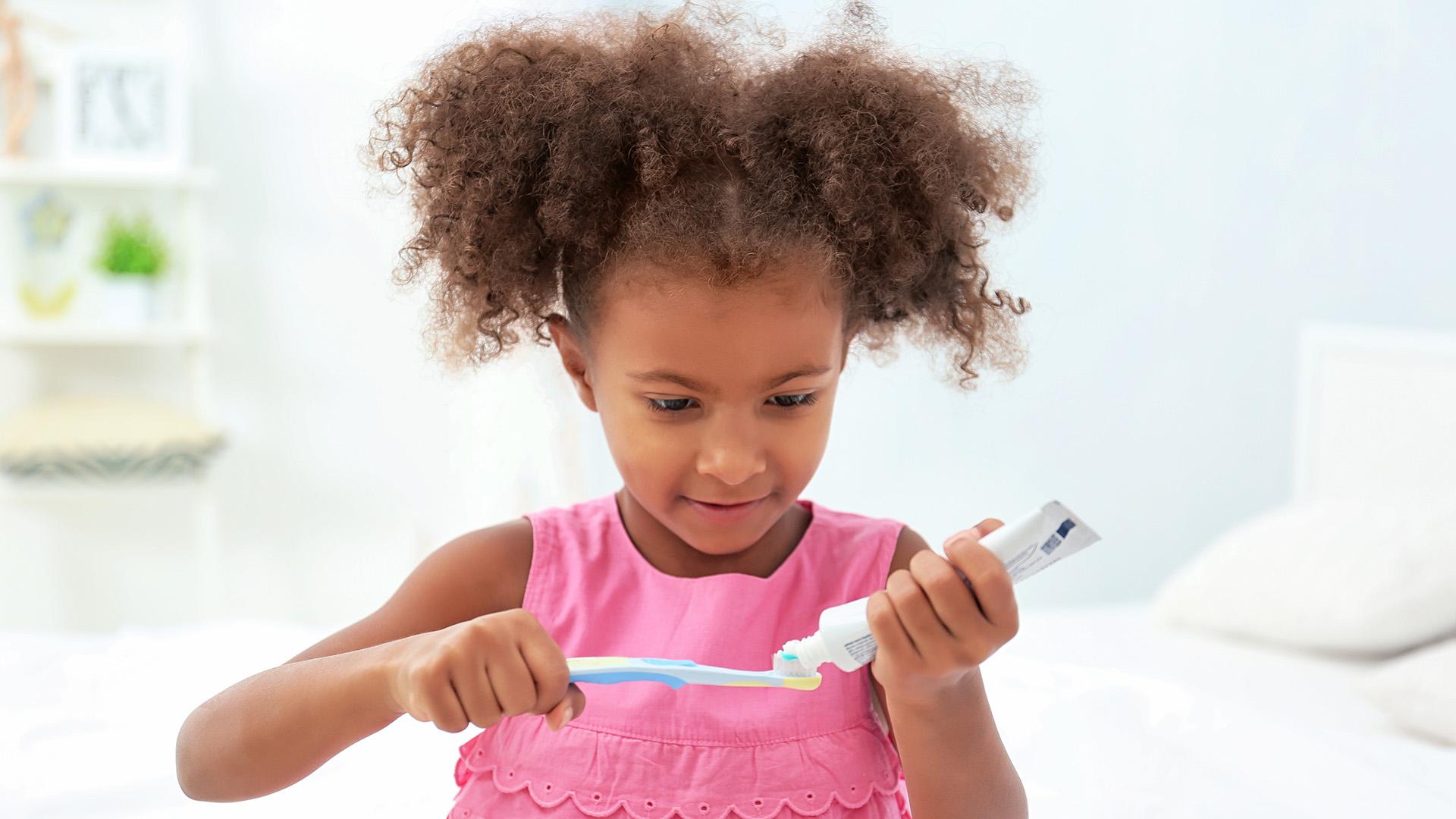
Learning to brush independently is an important milestone for lifelong oral health. Parents should begin brushing as soon as the first tooth appears, then gradually hand over responsibility as skills and consistency develop. Most children can start taking the lead between ages 6 and 8, but supervision remains essential to ensure teeth are cleaned thoroughly and proper technique is maintained. Many parents search for guidance on when should kids start to brush independently, and the answer depends on readiness, coordination, and consistent habits rather than a single age.
Early Oral Hygiene: Building the Foundation
Good habits start early. Before teeth erupt, gently wipe your baby’s gums with a soft, damp cloth after feedings. When the first tooth appears, use a small, soft-bristled toothbrush with a smear (rice-sized amount) of fluoride toothpaste. Make brushing part of the daily routine by the first birthday and schedule the first dental visit by age 1.
As more teeth come in, transition to a pea-sized amount of fluoride toothpaste around age 3 and encourage your child to spit instead of swallow. During these early years, parents should brush for their child or brush together twice a day, paying close attention to all tooth surfaces and the gumline. Model consistent routines and keep the experience positive to build confidence and cooperation. These early steps prepare children for the stage many families wonder about, when should kids start to brush independently, by building the skills needed for safe, thorough brushing.
Is Your Child Ready to Brush on Their Own?
Readiness depends on both fine motor skills and maturity. Many kids begin taking more ownership around ages 6 to 8, but they still benefit from oversight to confirm a complete clean. Developmental milestones such as tying shoelaces, writing legibly, and following multi-step instructions suggest adequate hand control and focus for effective brushing.
Signs of readiness include:
- Remembering to brush twice daily without reminders
- Using the correct amount of toothpaste
- Brushing for a full two minutes
- Reaching all areas of the mouth: fronts, backs, and chewing surfaces
Evaluate technique with quick checks after brushing. Look for plaque along the gumline and on back molars, ask your child to explain their brushing sequence, and use disclosing tablets occasionally to reveal missed spots. If plaque is consistently left behind, continue close supervision and coaching.
How to Teach Independent Brushing
Break the process into simple, repeatable steps your child can master:
- Place a pea-sized amount of fluoride toothpaste on a soft brush
- Angle bristles toward the gumline at about 45 degrees
- Use gentle circular motions on the fronts and backs of teeth
- Brush chewing surfaces with short strokes
- Brush the tongue and spit out toothpaste
Even as independence grows, supervision is key, often through age 8. Try a “brush then check” routine: your child brushes first, and you inspect and touch up any missed areas. This reinforces good technique while building accountability.
Make brushing engaging and effective:
- Use a two-minute timer or a favorite song to guide duration
- Track consistency with a simple reward chart
- Let your child choose a fun toothbrush (manual or powered)
- Rotate fluoride toothpaste flavors to maintain interest
- Use a visual mouth map to remind them to brush each quadrant
For children with braces or early orthodontic appliances, emphasize extra cleaning around brackets and wires. Interdental brushes and floss threaders help remove plaque in hard-to-reach areas. Maintain regular dental and orthodontic visits to monitor oral health and ensure proper hygiene techniques.
What Parents Should Remember
| Age | Toothpaste Amount | Parent Role |
| Before teeth | None | Wipe gums with a soft, damp cloth |
| First tooth to age 3 | Smear (rice-sized) | Brush for your child twice daily; first dental visit by age 1 |
| Age 3 to 6 | Pea-sized | Brush together; teach technique and spitting; supervise closely |
| Age 6 to 8+ | Pea-sized | Child brushes; parent checks and coaches; ensure two-minute brushing |
Every child progresses at a different pace. Focus on skill-building, consistency, and positive reinforcement. With guided practice and regular check-ins, kids develop the confidence and technique needed to brush independently and keep their smiles healthy. If you are asking when should kids start to brush independently consider ability, attention, and quality of cleaning rather than age alone. Continue to supervise until your child reliably reaches every surface and maintains a solid routine.