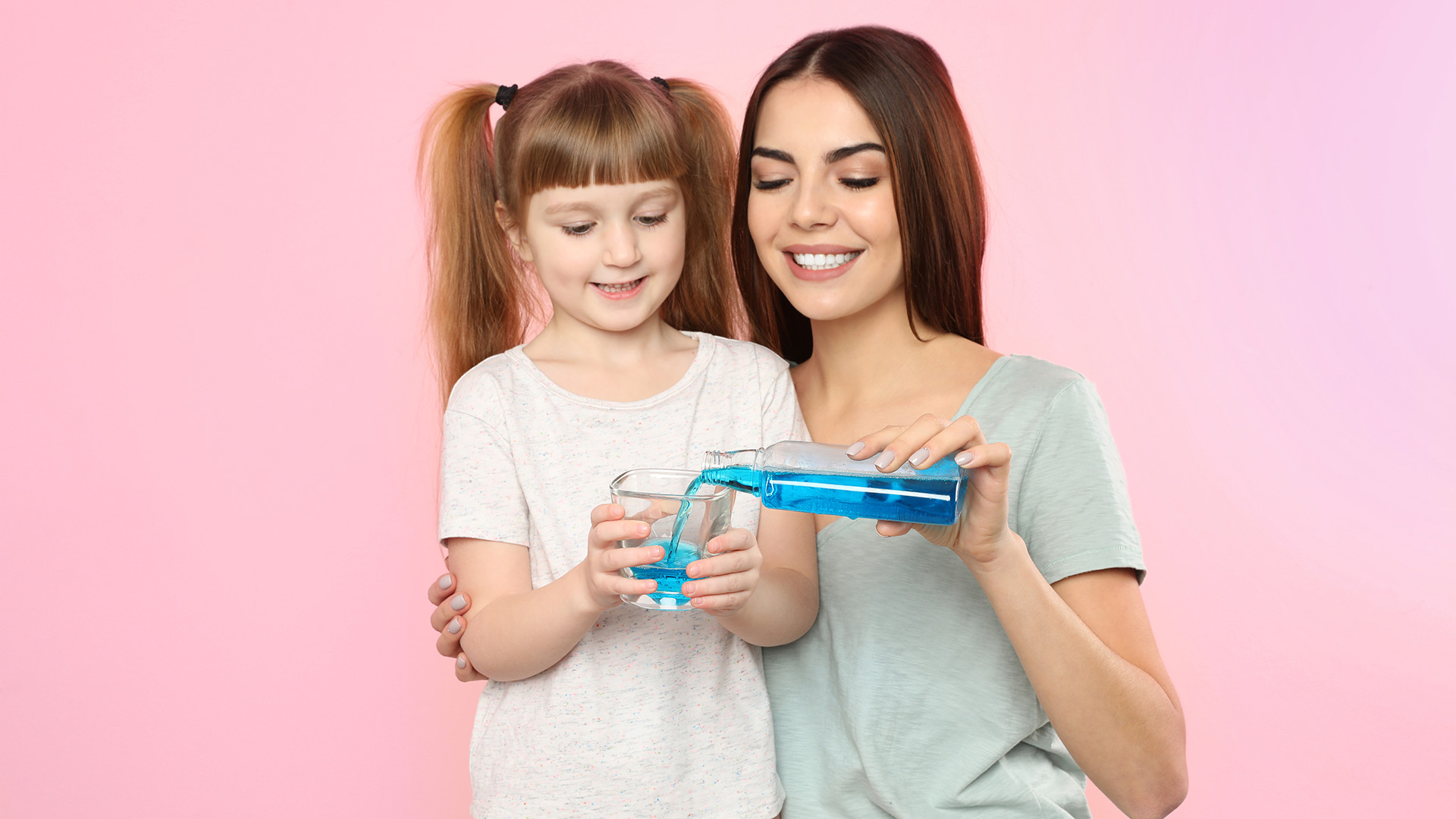
Mouthwash can be a smart addition to a child’s daily routine, but age, readiness, and supervision are key. Introducing a rinse at the right time, choosing a kid-friendly formula, and teaching proper technique can help prevent cavities and keep smiles healthy. Use the guidance below to decide what’s right for your family and to start a helpful conversation with your child’s dentist or orthodontist. Parents often ask when can kids start using mouthwash? The answer depends on skills and safety, which are explained throughout this guide.
What Is Mouthwash for Kids?
Mouthwash (or rinse) is a liquid oral care product swished around the mouth and then spit out. Depending on the active ingredients, it can help reduce plaque, strengthen enamel, freshen breath, and reach spots that brushing and flossing may miss. For children, a rinse serves as a complement to brushing and flossing, not a substitute.
Children’s mouthwashes are formulated with kids in mind. They usually include child-appropriate levels of fluoride to help prevent cavities, feature mild flavors, and are alcohol-free to reduce stinging and limit risks if accidentally swallowed. In contrast, many adult rinses contain higher concentrations of active ingredients and may include alcohol, which can be too harsh for young mouths.
Establishing strong habits early, brushing twice daily with fluoride toothpaste, flossing once a day, and adding a children’s mouthwash when appropriate, supports healthy teeth and gums long term. For kids with braces, a rinse can be especially helpful for cleaning around brackets and wires where plaque collects.
When Is the Right Age to Start?
Most dentists recommend introducing mouthwash around age 6 or older, when many children can swish and spit reliably without swallowing. Some children may be ready a bit earlier, while others benefit from waiting longer. Always follow the age guidance on the product label and the recommendations of your child’s dental professional. If you are wondering when can kids start using mouthwash safely at home, the short answer is: when they can consistently swish and spit without swallowing.
Focus on readiness rather than age alone. Consider whether your child can:
- Rinse and spit on command without swallowing
- Follow multi-step instructions
- Understand that mouthwash is not for drinking
Practicing with water is an easy way to check skills and build confidence. Before starting, speak with your child’s dentist or orthodontist. They can recommend the right type of rinse, suggest appropriate fluoride levels, and tailor guidance to your child’s cavity risk, enamel strength, and any orthodontic treatment. If your child has frequent cavities, braces, or early gum inflammation, a dentist-approved rinse may be especially beneficial.
Why Add Mouthwash to a Child’s Routine?
Used correctly, mouthwash can offer meaningful benefits for children’s oral health:
- Stronger enamel: Fluoride rinses help make teeth more resistant to decay.
- Better plaque control: A rinse reaches areas a toothbrush may miss, including around braces and between teeth.
- Healthier gums: By reducing plaque, rinses can support gum health.
- Fresher breath: Kid-friendly formulas neutralize odors without a burning sensation.
The most important point: a mouthwash enhances brushing and flossing, it does not replace them. It adds protection between brushings, helps wash away food debris after meals, and supports a cleaner oral environment. For kids in orthodontic treatment, a daily rinse can be a practical step to maintain hygiene around appliances.
How to Choose the Right Mouthwash
Selecting the right product makes a big difference in comfort and consistency. Look for:
- Fluoride: Helps prevent cavities by strengthening enamel.
- Alcohol-free formulas: Reduce stinging and avoid dryness; safer if accidentally swallowed.
- Kid-specific labels: Pediatric rinses are formulated for children’s needs.
- ADA Seal of Acceptance: Indicates the product meets safety and effectiveness criteria.
Flavor plays a big role in compliance. Many children prefer mild, non-burning flavors such as bubble gum or berry. A taste they enjoy makes it more likely they will use the rinse consistently. Strong mint or products that cause a burning sensation can discourage use.
When in doubt, bring the product (or a photo of the label) to your child’s dental visit. Your dentist or orthodontist can confirm whether the ingredients and fluoride level match your child’s needs.
Teaching Kids to Use Mouthwash Safely
A simple, supervised routine helps kids learn proper technique and avoid swallowing:
- Brush and floss first to remove plaque and food particles.
- Measure the rinse according to the label. Many caps have a fill line.
- Have your child swish the rinse around all areas of the mouth for 30 to 60 seconds.
- Spit out completely. Do not swallow.
- Avoid rinsing with water right afterward, especially with fluoride rinses, so the protective ingredients can work.
Explain that mouthwash is a cleaning liquid, not a beverage. Demonstrate swishing and spitting and, if your child struggles, practice with water first. Keep mouthwash out of reach and supervise use until you are confident your child can handle the steps independently.
To build consistency, slot mouthwash into a predictable time, often after nighttime brushing works best. A simple chart or reminder can help keep the habit going. For children with braces or higher cavity risk, your dentist may suggest using the rinse once or twice daily. If your child experiences irritation, dry mouth, or an upset stomach, stop use and consult the dentist to adjust the product or frequency.
FAQs: Kids and Mouthwash
| Question | Quick Answer |
| At what age can kids start using mouthwash? | Generally around age 6 and up, when they can reliably swish and spit without swallowing. If you’re asking when kids can start using mouthwash in your home, assess readiness with water practice first. |
| Should kids use fluoride mouthwash? | Yes, when appropriate and as advised by a dentist. Fluoride strengthens enamel and helps prevent cavities. |
| Is alcohol-free mouthwash necessary? | Yes for children. Alcohol-free formulas are gentler and safer if accidentally swallowed. |
| Can mouthwash replace brushing and flossing? | No. It’s an add-on to daily brushing and flossing, not a replacement. |
| What if my child swallows mouthwash? | Small amounts may cause an upset stomach. Follow the product label’s guidance and contact your dentist or pediatrician if you’re concerned. |
The Bottom Line
Kids can usually start using mouthwash around age 6, once they can swish and spit without swallowing. Choose an alcohol-free, fluoride-containing children’s rinse, look for the ADA Seal when possible, and introduce it under supervision. Mouthwash should support a strong routine that already includes brushing twice daily with fluoride toothpaste and flossing once a day. If your child has braces, frequent cavities, or gum concerns, talk with their dentist or orthodontist for tailored recommendations and product suggestions. If you are still wondering when kids can start using mouthwash, remember that readiness and safe habits matter more than age alone.