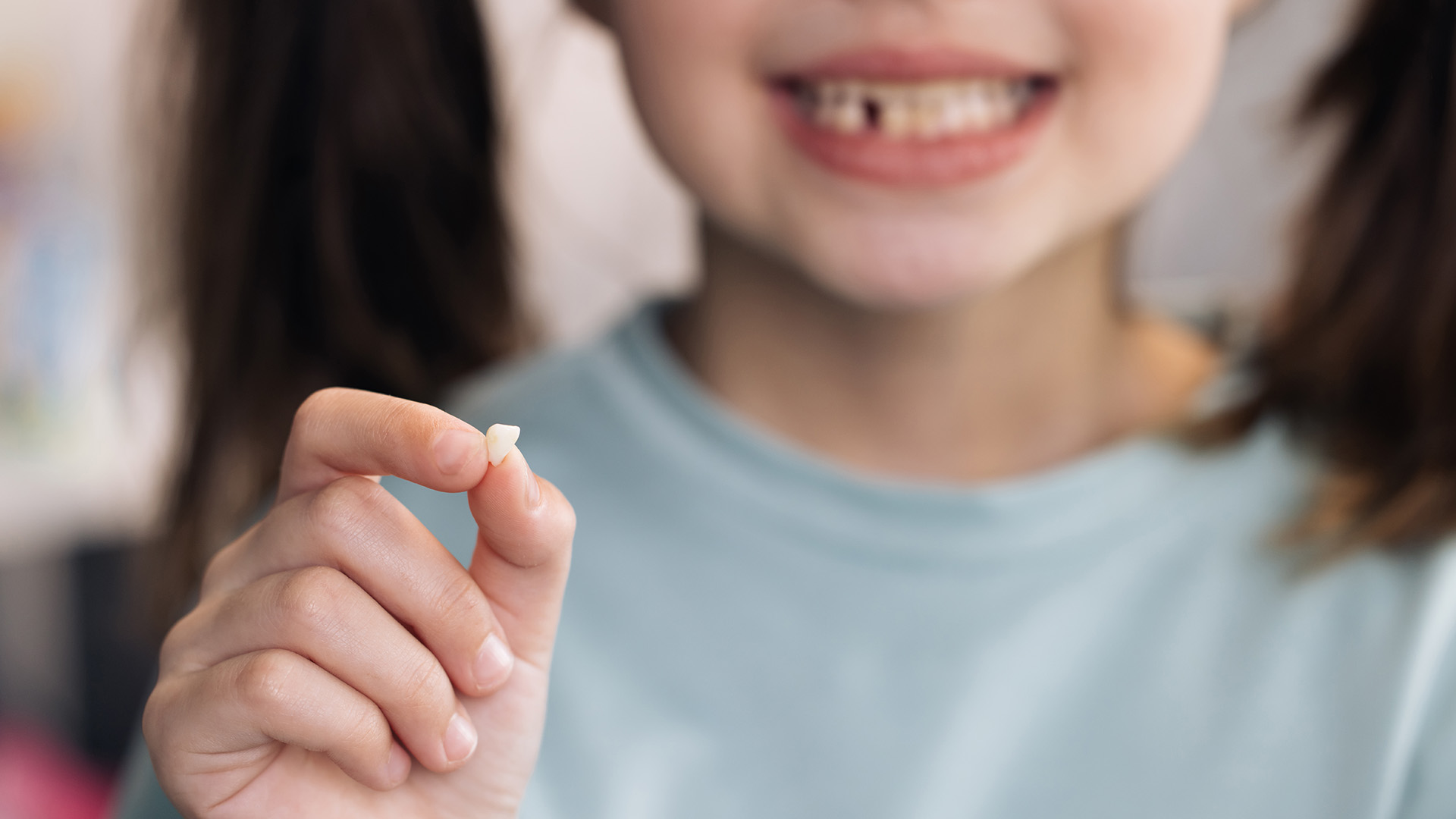
That first wiggly tooth is a big milestone. Understanding what’s typical can help you support your child’s comfort and oral health as baby teeth make way for permanent teeth. Below, you’ll find expected timelines, day-to-day care tips, and ways to prepare for a smooth transition to a healthy adult smile. Learn what to know when your child starts losing baby teeth using this guide and for practical steps to keep the process smooth and healthy.
When Do Children Start Losing Baby Teeth?
Most children begin losing baby teeth between ages 5 and 7. The lower front teeth (central incisors) usually loosen first, followed by the upper central incisors. Next come the lateral incisors, first molars, canines, and second molars over the following years. Upper teeth often trail lower teeth by a few months, though every child’s timing can vary.
Variation is normal and influenced by genetics, overall development, and nutrition. Some children start as early as age 4, while others begin closer to 8. Early eruption of baby teeth often means earlier shedding; late eruption may shift the schedule later.
Baby teeth typically fall out in the order they erupted. Permanent teeth usually appear soon after a baby tooth comes out, often within weeks to a few months. Contact your dentist if a permanent tooth hasn’t erupted within six months of losing its baby tooth, or if you see a permanent tooth erupting behind a baby tooth (sometimes called a “shark tooth”).
How to Care for Loose Teeth and Manage Common Concerns
- Brush twice daily with a soft-bristled brush and fluoride toothpaste, gently angling along the gumline.
- Floss once a day, taking extra care around wiggly teeth.
- Offer softer foods and avoid very hard, sticky, or chewy items that can irritate or dislodge teeth too soon.
Minor soreness and occasional pinpoint bleeding are common. A warm saltwater rinse can soothe tender gums, and a cold compress on the cheek helps with discomfort. Children can gently wiggle a very loose tooth with clean fingers or their tongue, but avoid pulling, letting it fall out naturally protects the gums and the developing permanent tooth.
Call your dentist if pain or swelling persists, there is fever, a bad taste or odor suggests infection, bleeding doesn’t stop with light pressure, or a baby tooth stays firm while a permanent tooth is visibly erupting. Seek care as well after dental trauma or if eruption is delayed beyond six months following the loss of a baby tooth.
Preparing for the Transition to Permanent Teeth
Baby teeth act as space holders, guiding permanent teeth into position. If a baby tooth is lost too early, neighboring teeth may drift and create crowding or misalignment. Some spacing in the front teeth is normal and can help accommodate larger adult teeth. Keep an eye on changes as permanent teeth erupt and note any crowding or bite concerns.
The American Association of Orthodontists recommends an orthodontic evaluation by age 7. Early assessments can identify crossbites, crowding, and habits like thumb-sucking or mouth breathing that influence jaw growth. When needed, early interventions may include space maintainers after premature tooth loss, guidance of eruption, or limited-phase orthodontics to support proper alignment and bite development.
Routine dental visits every six months are essential. Your dentist may recommend preventive care such as fluoride to strengthen enamel and sealants on newly erupted molars to protect deep grooves from decay. Regular checkups, cleanings, and X-rays help track eruption patterns, catch concerns early, and keep your child’s transition to permanent teeth on course. Consistent home care and regular dental evaluations provide the best foundation for a healthy smile.