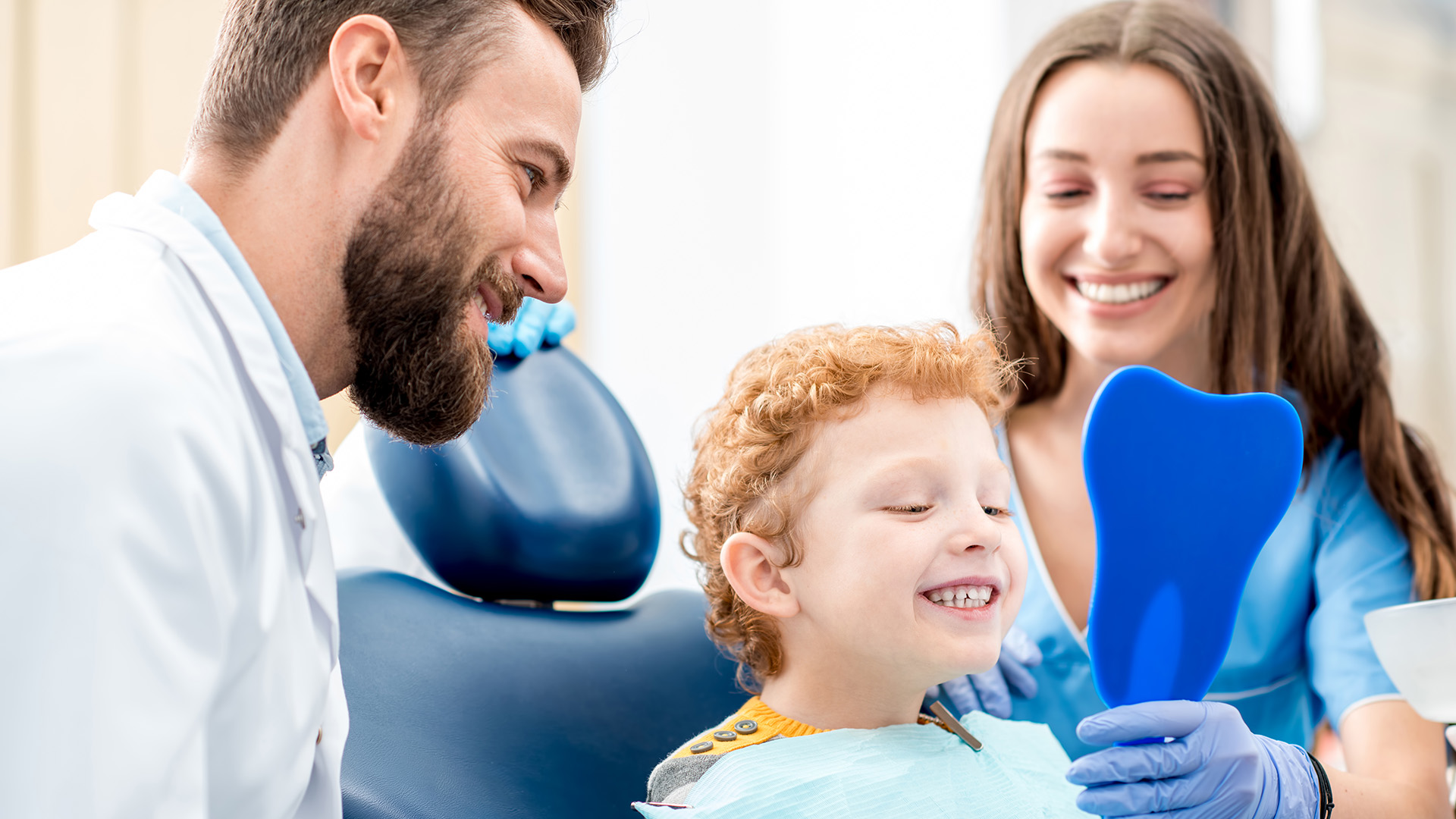
Helping children understand oral health early builds the foundation for confident smiles and fewer dental problems. Teaching the importance of oral health to children starts with clear, consistent guidance at home and supportive education during dental visits. We believe education is just as important as regular check-ups, and families benefit from practical, kid-friendly strategies that make oral care simple, positive, and effective. Below, you’ll find why oral health education matters, engaging ways to teach it, and tips for creating a routine that sticks at home.
Why Oral Health Education Matters
Healthy teeth and gums support proper nutrition, clear speech, and strong self-esteem. When cavities or gum disease go untreated, pain and difficulty eating can follow, often leading to missed school days and stress. Teaching the importance of oral health to children helps them view brushing and flossing as essential daily habits, not chores.
Small, consistent actions have long-term benefits. Brushing twice a day with fluoride toothpaste, flossing daily, and scheduling professional check-ups help prevent decay, crowding, and gum issues. Early orthodontic evaluations can identify growth and alignment concerns, guiding timely interventions that support healthy development and reinforce why oral hygiene is important for kids.
Dental problems are common in childhood but largely preventable. Frequent sugary snacks, sipping sweet drinks, and inconsistent cleaning raise the risk of cavities. With clear guidance and a supportive routine, families can significantly reduce these risks and foster lifelong oral resilience—another reason why oral hygiene is important for kids.
Effective Strategies for Teaching Kids About Oral Care
Match techniques to your child’s age and abilities. Younger children do best with short, guided routines and close supervision, while older kids can learn proper technique and take responsibility. Keep instructions simple: brush twice daily for two minutes, clean all tooth surfaces, and floss once daily using gentle, C-shaped motions around each tooth. Teaching the importance of oral health to children works best when instructions are easy to follow and repeated consistently.
Make learning fun to boost consistency. Turn brushing into a game by using a two-minute timer, playing a favorite song, or tracking progress with a sticker chart. Try storytelling, create a “sugar bug” adventure where the toothbrush is the hero. Celebrate small wins to build confidence and keep momentum going while emphasising why oral hygiene is important for kids in everyday language they understand.
Use visuals to reinforce lessons. Picture books, mirrors for technique practice, and easy-to-follow checklists help children understand steps and see progress. During check-ups, clinicians can demonstrate brushing and flossing techniques and provide educational resources you can use at home.
- Keep instructions short and clear
- Use timers or music to mark two minutes
- Show technique in the mirror
- Offer praise for effort and improvement
Creating a Positive Oral Health Routine at Home
Consistency is key. Establish a morning and bedtime brushing schedule and stick to it—even on weekends. Pair brushing with existing routines, such as after breakfast and before pajamas, to make it automatic. Keep supplies accessible so children can participate with minimal prompting, and keep reinforcing why oral hygiene is important for kids through positive reminders.
Choose tools that spark interest. Soft-bristled brushes, fluoride toothpaste with kid-friendly flavors, and flossers sized for small hands increase engagement. If your child has braces or other orthodontic appliances, ask a dental professional about recommended brushes, interdental cleaners, and care tips that make cleaning around hardware easier when teaching the importance of oral health to children.
Model the behaviors you want to see. Brush and floss alongside your child to demonstrate technique and timing. Offer tooth-friendly snacks and limit sugary drinks to mealtimes. Regular dental visits and orthodontic evaluations reinforce the importance of professional care—children learn quickly when they see you prioritizing your own oral health and explaining why oral hygiene is important for kids in practical, everyday terms.
- Brush twice daily for two minutes
- Floss once daily with gentle technique
- Choose tooth-friendly snacks (cheese, nuts, crunchy vegetables)
- Encourage water as the primary drink
- Maintain regular dental and orthodontic check-ups