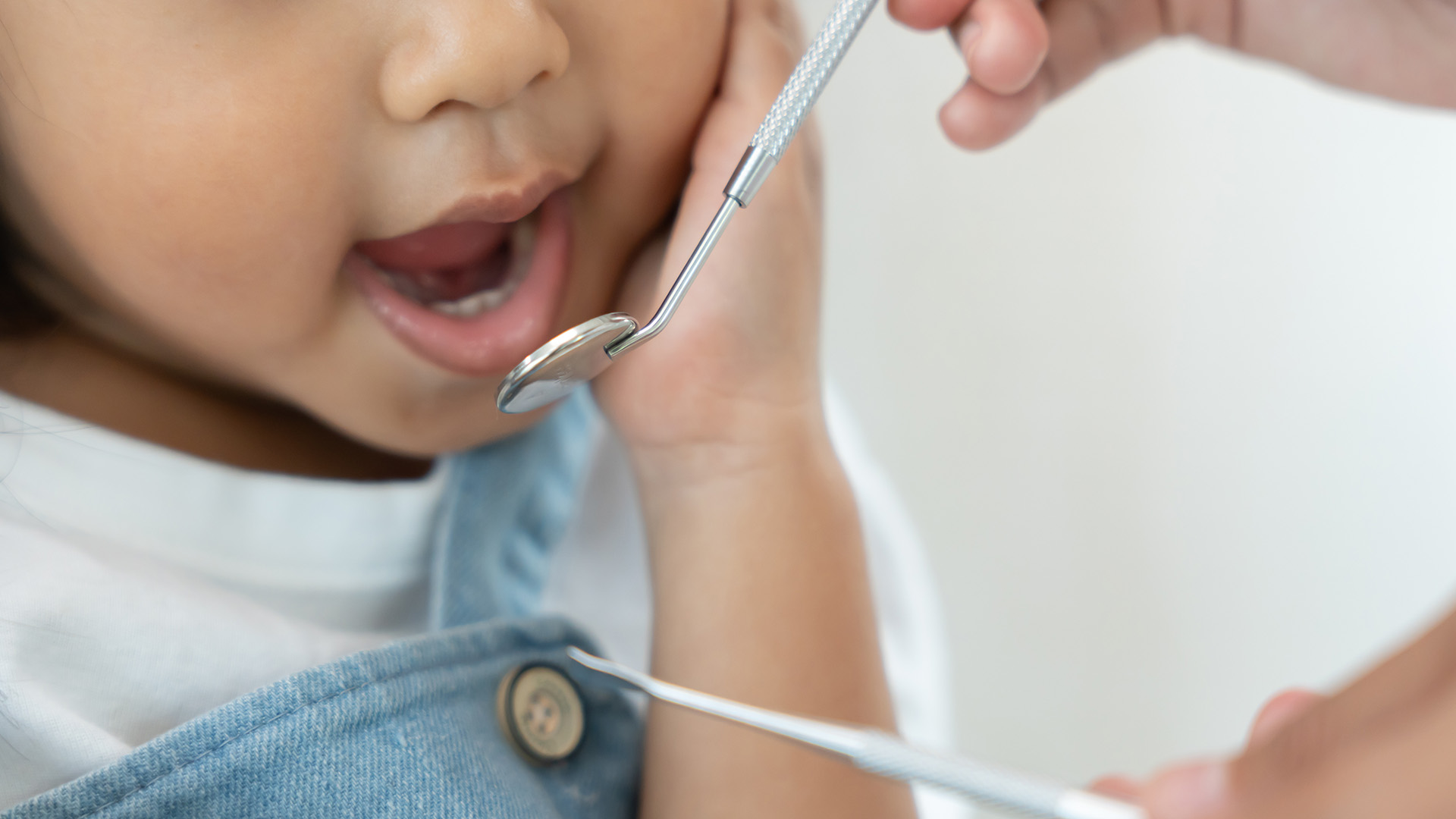
Healthy smiles start early. Preventive dentistry for kids focuses on protecting children’s teeth and gums before problems begin. With regular dental visits, tailored at-home care, and simple in-office treatments, you can help your child avoid cavities, support proper jaw growth, and build confidence in the dental chair.
Choosing preventive dentistry for kids empowers families to build lifelong habits that lower treatment needs and costs over time while keeping children comfortable and confident at each stage of growth.
What Is Preventive Dentistry for Children?
Preventive pediatric dentistry includes the habits, visits, and treatments that keep a child’s mouth healthy. The goals are to stop tooth decay and gum disease, guide normal development of teeth and bite, and catch small issues before they become bigger concerns.
Unlike restorative care, which repairs problems like cavities with fillings or crowns, preventive care aims to reduce the risk of disease in the first place. It uses routine checkups, cleanings, fluoride, sealants, and practical education to protect growing smiles.
Early dental visits matter. The American Academy of Pediatric Dentistry recommends a first visit by age 1 or within six months of the first tooth. At this gentle visit, your dentist will review medical history, examine the gums and teeth, assess cavity risk and bite development, discuss teething and habits like thumb sucking, and share brushing and nutrition tips. Expect a friendly, low-stress experience tailored to your child’s age.
Key Preventive Services and In-Office Treatments
Routine exams and professional cleanings: During a child’s checkup, the dental team evaluates the teeth, gums, and bite and may use low-dose X-rays when appropriate. A hygienist removes plaque and tartar that brushing misses, then polishes the teeth. Fluoride varnish is often applied to strengthen enamel. You’ll receive an easy-to-follow home care plan based on your child’s needs.
Topical fluoride and dental sealants: Fluoride varnish hardens enamel and can help reverse early demineralization. It’s quick, safe, and typically recommended two to four times per year depending on risk. Dental sealants are thin protective coatings placed on the chewing surfaces of permanent molars, usually around ages 6–8 for first molars and 11–13 for second molars. Sealants reduce cavity risk by keeping food and bacteria out of deep grooves and can last several years with routine checks.
Screening and early diagnosis: Dentists screen for decay, gum health, enamel defects, and early bite issues such as crowding, crossbites, or underbites. If growth or alignment concerns are noted, your child may be referred for orthodontic monitoring, often starting around age 7. Early guidance can simplify or shorten future orthodontic treatment.
| Service | Purpose | Typical Timing |
| Exam and Cleaning | Assess health, remove plaque/tartar, polish | Every 6 months or as advised |
| Fluoride Varnish | Strengthen enamel, prevent early decay | 2–4 times per year based on risk |
| Dental Sealants | Protect molar grooves from cavities | First molars ages 6–8; second molars ages 11–13 |
| Growth/Bite Screening | Identify crowding or bite problems early | Ongoing; orthodontic check by age 7 |
Daily Home Care and Building Healthy Habits
Brushing and flossing by age:
- Before teeth: Wipe gums with a clean, damp cloth.
- First tooth to age 3: Brush twice daily with a rice-sized smear of fluoride toothpaste using a soft infant brush.
- Ages 3–6: Use a pea-sized amount of fluoride toothpaste twice daily.
- Floss once daily as soon as teeth touch.
Most children need adult help to brush and floss well until at least age 7–8. Continue supervising until they can brush all surfaces for two minutes and tie their shoes neatly.
Recommended products and tips: Choose a soft-bristled, child-size toothbrush or a small-head electric brush with a built-in timer. Use ADA-accepted fluoride toothpaste. Consider floss picks for small hands. Replace brushes every three months or after illness.
Nutrition for strong teeth: Offer water (preferably fluoridated) throughout the day and with meals. Limit sugary drinks, juice, and sports drinks; if served, offer with meals rather than for all-day sipping. Emphasize tooth-friendly snacks like cheese, yogurt, nuts when age-appropriate, fresh fruits, vegetables, and whole grains. Avoid sticky snacks that cling to teeth and frequent grazing between meals.
Positive routines and easing dental anxiety: Schedule morning visits when kids are well rested. Keep appointments upbeat and brief. Practice “show, tell, do” at home, let your child hold the brush, demonstrate, then brush together. Use reward charts for consistent brushing. Avoid using dental visits as a threat; focus on praise and building trust with the dental team.
Frequently Asked Questions and When to Contact Your Dental Team
Common questions: Teething typically begins around 6 months and may cause drooling and fussiness. Soothe with a clean teether or a chilled (not frozen) teething ring; avoid topical numbing gels. Thumb sucking and pacifier use are common in toddlers, and most children stop on their own by ages 3–4. If a habit persists past age 4 or affects the bite, your dentist can suggest gentle strategies to help. Treating early cavities depends on size and risk; options may include fluoride varnish, silver diamine fluoride to arrest decay, or small fillings tailored to your child’s comfort and needs.
When to call sooner: Contact your dental team promptly for toothache, pain with chewing, swelling of the gums or face, fever with oral symptoms, tooth trauma (chips, knocks, or a displaced tooth), or sores that do not heal within two weeks. For a knocked-out permanent tooth, place it in milk or a tooth preservation solution and seek immediate care. For baby teeth, call for guidance before attempting to reinsert.
How preventive dentistry for kids supports families: Coordinating regular checkups, fluoride applications, and sealants keeps care consistent and efficient. Preventive dentistry for kids also includes timely referrals for orthodontic monitoring so preventive and alignment guidance work hand in hand as your child grows.