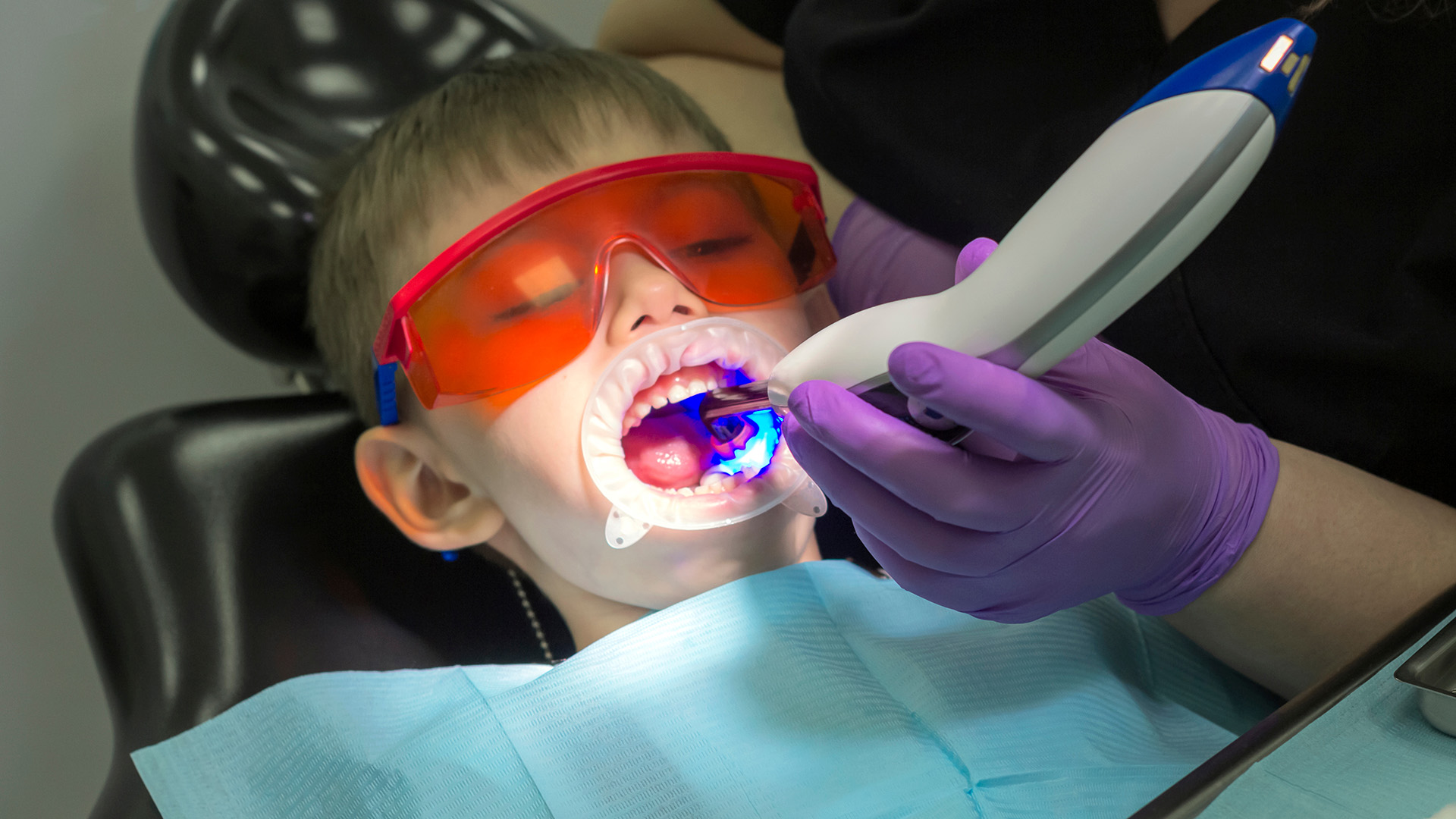
Healthy baby teeth support confident chewing, clear speech, and well-aligned permanent teeth. Pediatric dental restorations repair cavities, protect developing teeth, and keep your child comfortable from start to finish. Care teams use kid-friendly techniques and proven materials to restore function and appearance while promoting long-term oral health.
Understanding Pediatric Dental Restorations
Pediatric dental restorations repair damaged or decayed primary teeth and early permanent teeth. The goals are to remove decay, rebuild tooth structure, relieve discomfort, and prevent future problems so children can eat, speak, and smile with confidence.
Preserving primary teeth matters. Baby teeth guide the eruption of permanent teeth, maintain space in the arch, and support normal speech development. When a baby tooth is lost too early, crowding, shifting, and bite problems can follow, sometimes leading to more complex orthodontic care later. Restorations help these important teeth function until they naturally fall out.
Pediatric treatments differ from adult care in several ways. Dentists often choose materials that bond well to baby enamel, release fluoride, and can be placed efficiently. Techniques are adapted to shorter attention spans using tell–show–do communication and behavior guidance. Comfort is a priority, with topical and local anesthesia and, when appropriate, minimal or moderate sedation to ensure a positive experience. Pediatric dental restorations are planned with growth, cooperation, and long-term prevention in mind.
Common Types of Pediatric Dental Restorations
Fillings repair small to moderate cavities. Tooth-colored composite fillings blend with natural enamel, bond strongly, and work well for front or visible teeth. Glass ionomer fillings are helpful for some baby teeth and areas where moisture control is challenging; they chemically bond to tooth structure and can release fluoride to help protect against future decay. Your child’s dentist will recommend the best material based on the tooth, cavity size, and location.
Crowns for primary teeth are recommended when decay is extensive, after pulp therapy, or when a tooth is fractured. Stainless steel crowns are durable, cost-effective, and commonly used on back baby teeth that handle heavy chewing. For front teeth where appearance is important, options such as pre-veneered or all-white crowns can be considered.
Pulp therapy can save a baby tooth with deep decay. A pulpotomy treats the inflamed portion of the nerve, while a pulpectomy cleans and fills the entire root canal when infection is more advanced. Space maintainers may be placed when a baby tooth is lost early to preserve room for the permanent tooth and prevent shifting. Custom restorations like bonded repairs for minor chips can quickly restore shape and function.
What to Expect During Your Child’s Restorative Visit
Every visit begins with a gentle evaluation. The dentist reviews your child’s health history, examines the teeth and gums, and takes dental X-rays as needed to see between teeth and under existing fillings. From these findings, a personalized treatment plan is created, with steps explained in kid-friendly language, and questions answered about options, costs, and insurance coverage.
During treatment, comfort comes first. A topical numbing gel is applied before local anesthesia to reduce sensation. Behavior guidance may include calm communication, distraction with music or videos, and short breaks. For very anxious children or complex needs, sedation options can be discussed and tailored to safety guidelines and family preferences.
Aftercare is straightforward:
- Monitor your child until numbness wears off to prevent lip or cheek biting.
- Expect mild tenderness for a day; over-the-counter pain relief may be recommended.
- Offer soft foods until full sensation returns and keep the area clean with gentle brushing.
- Avoid sticky snacks that can pull on new fillings or crowns.
Follow-up visits help monitor healing and the integrity of the restoration. Call a dental office if you notice pain lasting beyond 48 hours, swelling, fever, a loose crown, or worsening sensitivity.
Why Choose Pediatric Dental Restorations and How Parents Can Decide
Families often seek restorations for clinical effectiveness, a child-focused atmosphere, and high-quality materials that emphasize durability and oral health. Clear communication with parents and children supports positive visits that build trust and healthy habits.
When comparing providers, consider:
- Specialized training and experience with children.
- A reassuring, educational communication style.
- Clear sedation policies with strict safety protocols.
- Commitment to regular recall visits and preventive care.
- Use of materials suited to pediatric needs and digital X-rays to reduce radiation.
- Any warranty or retreatment policy for restorations.
Parents can help their child succeed by keeping explanations upbeat and brief, scheduling morning appointments when children are well-rested, bringing a favorite comfort item, and avoiding words that may create fear. After treatment, follow home-care instructions, offer soft foods, and maintain brushing with a pea-sized amount of fluoride toothpaste.
For costs and insurance, ask for clear estimates, claim submission support, and explanations of coverage differences between fillings, crowns, and pulp therapy. Flexible scheduling can minimize time away from school, and coordinating sibling appointments may simplify family logistics. Thoughtful planning ensures both your child’s comfort and long-term oral health.