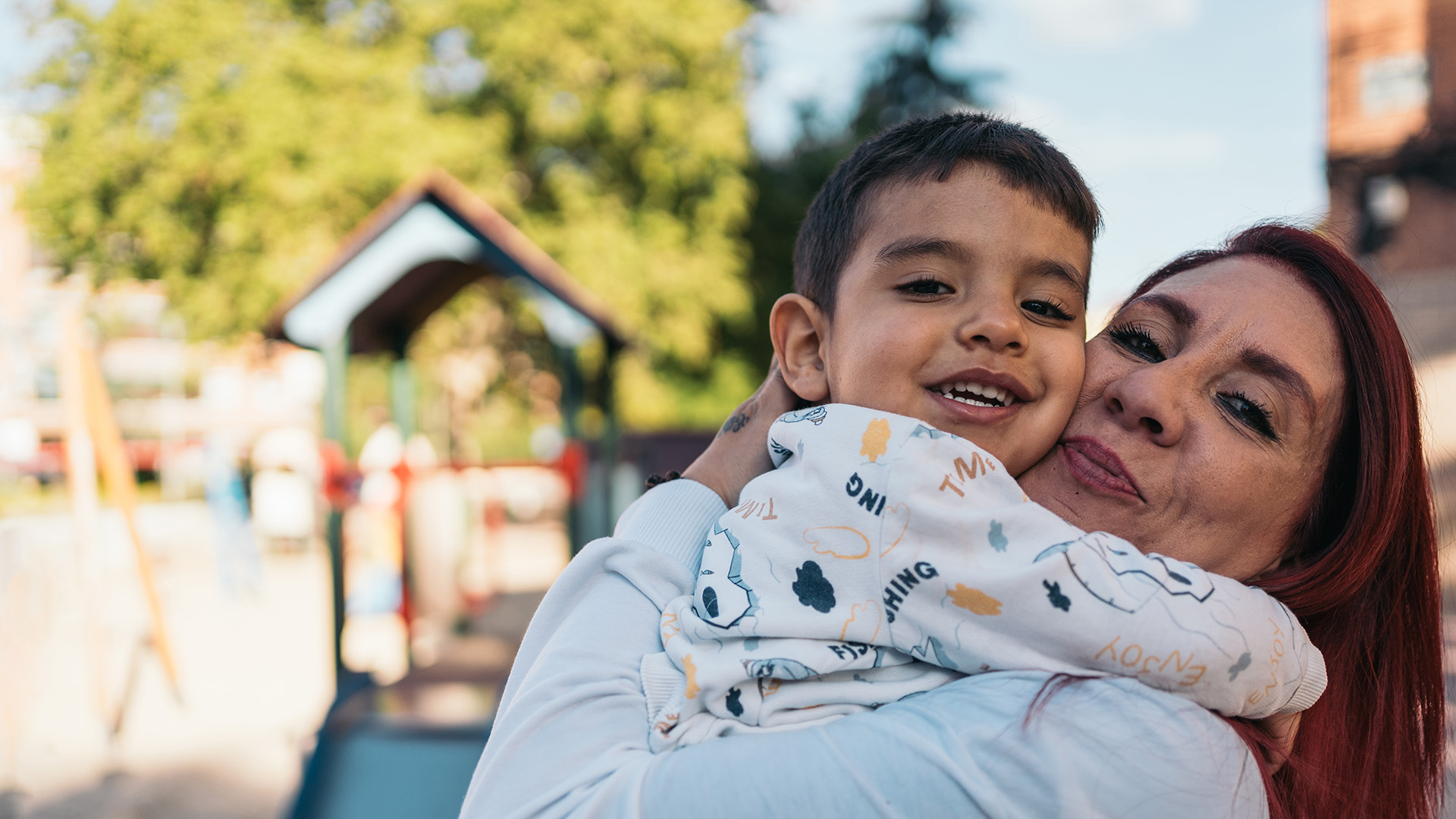
Optimal oral health for neurodivergent kids is crucial, as they often encounter unique challenges in dental care. This guide offers insights and strategies tailored for parents and caregivers to address the specific oral hygiene needs of neurodivergent children. We’ll explore how neurodiversity impacts dental experiences, ways to foster positive routines, and address common oral health concerns.
Understanding Neurodiversity and Its Impact on Oral Health
Neurodiversity encompasses the natural variation in human brain function and behavior, including conditions like autism, ADHD, and dyslexia. Recognizing neurodiversity is essential, particularly for children, as it reveals the unique ways they perceive and interact with the world. This understanding significantly impacts our approach to their care, including oral health for neurodivergent kids.
Neurodivergent children face specific oral health challenges not as common in neurotypical peers. These can include heightened sensitivity to textures and tastes, difficulty maintaining routines, and communication hurdles. Such factors may lead to anxiety during dental visits and impede proper oral hygiene practices, increasing the risk of cavities and gum disease.
These challenges highlight the need for customized dental care. A uniform approach may not suffice for neurodivergent kids. Instead, tailored care plans that consider their unique preferences can enhance dental experiences. This may involve creating a sensory-friendly environment, utilizing visual aids to explain procedures, or allocating extra time for appointments. By prioritizing these personalized strategies, we can improve oral health outcomes and ensure compassionate care for neurodivergent children.
Creating a Positive Dental Experience
Dental visits can be intimidating for neurodivergent kids, but with the right strategies, they can become more positive. Creating a calm, welcoming environment is key. Schedule appointments during quieter times to reduce stress and familiarize your child with the dental office beforehand through tours or staff introductions.
Preparation is crucial in easing dental visit fears. Discuss the appointment positively, emphasizing the benefits of good oral health for neurodivergent kids. Use social stories or visual aids to explain the visit, breaking it into manageable steps to alleviate uncertainty.
Effective communication reduces dental anxiety. Encourage your child to express their feelings and concerns. Relaxation techniques like deep breathing or calming music can be helpful. Communicate your child’s specific needs and sensitivities to the dental team to ensure tailored support. Together, we can make dental visits a positive experience, promoting better oral health and reducing anxiety for neurodivergent kids.
Developing Effective Oral Hygiene Routines at Home
Establishing consistent brushing schedules is vital for promoting good oral health for neurodivergent kids. Predictable routines help reduce anxiety around dental care. Integrate brushing into daily activities, such as after meals or before bedtime, making it a natural part of their day. Visual schedules can serve as clear guides for brushing times.
Choosing sensory-friendly dental tools and products is essential. Opt for toothbrushes with softer bristles and ergonomic handles suitable for small hands. Experiment with toothpaste flavors your child enjoys to make the experience more appealing. Sensory-friendly products can cater to sensitivities, ensuring comfort during oral hygiene routines.
Transforming brushing into a fun activity can shift it from a chore to an enjoyable routine. Incorporate music or timers to create a playful atmosphere. Use games like brushing to a favorite song or reward charts to celebrate consistent brushing. Involving your child in choosing dental tools or creating fun brushing routines together fosters ownership and excitement about maintaining oral health for neurodivergent kids.
Addressing Specific Oral Health Concerns
Understanding and addressing oral health concerns for neurodivergent children is vital for their well-being. A primary challenge is managing oral sensitivities. Many neurodivergent kids may experience heightened sensitivity to textures, tastes, or brushing sensations, leading to resistance during oral hygiene routines. Parents can alleviate these sensitivities by exploring soft-bristled toothbrushes or gradually introducing oral care products with varying textures.
Common dental issues among neurodivergent children include increased risk of cavities, gum disease, and other complications. Factors like inconsistent oral hygiene practices, dietary preferences, and medication side effects contribute to these challenges. Regular dental check-ups are crucial to monitor and address emerging issues early on, ensuring optimal oral health for neurodivergent kids.
The role of diet and nutrition in oral health is significant. Neurodivergent children may have specific dietary needs or preferences impacting dental health. Diets high in sugars and processed foods can lead to tooth decay, whereas balanced diets rich in fruits, vegetables, and whole grains promote healthier teeth and gums. Encouraging healthy eating habits alongside consistent oral hygiene routines paves the way for improved oral health for neurodivergent kids.