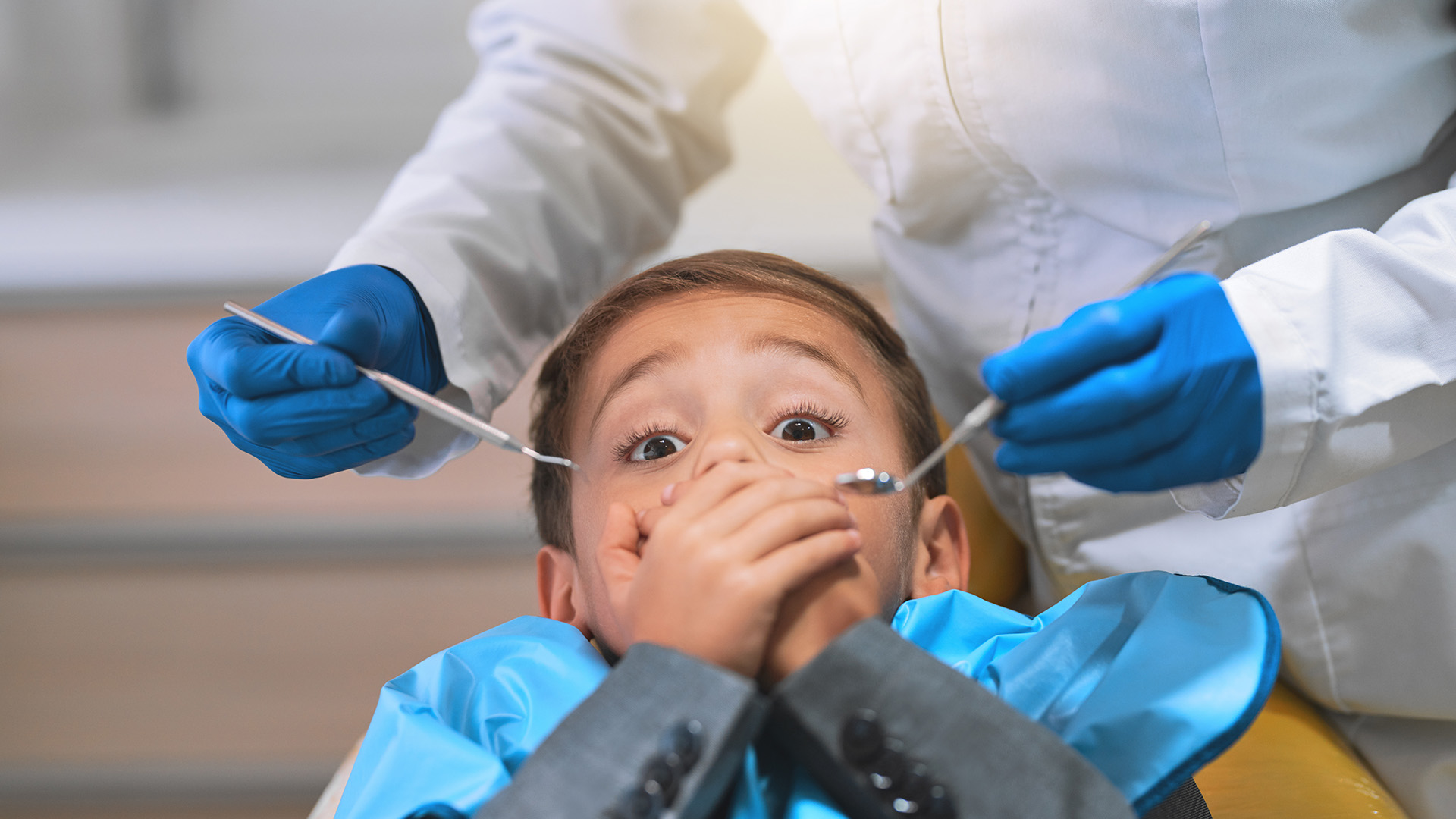
Regular dental visits help keep children healthy, yet fear and anxiety can make appointments feel overwhelming. The good news: with thoughtful preparation at home and supportive care in the dental office, most children can feel calmer, more confident, and even look forward to their checkups. This guide outlines what dental fear looks like, why it occurs, and how parents and dental teams can work together to build positive experiences. For families focused on managing dental anxiety in kids, understanding the causes and using practical strategies can make every visit smoother.
Understanding Dental Fear in Children
Dental fear is a natural reaction to unfamiliar or potentially uncomfortable experiences. In children, it may appear as worry before an appointment, hesitation to sit in the chair, or even avoidance of daily brushing and flossing. Dental anxiety is a more persistent, heightened form of fear that can start days or weeks before a visit. A dental phobia is a stronger, specific fear that can trigger panic, physical distress, or complete avoidance of care.
Common signs include crying or tantrums before or during visits, clinginess, trouble sleeping the night before, and complaints like stomachaches or headaches without a clear cause. You may also hear repeated questions about what will happen. Some children refuse to open their mouth or sit in the chair. Older kids might withdraw, become unusually quiet, or try to negotiate to skip parts of the appointment.
Recognizing the differences matters because it shapes the approach. Mild fear often improves with reassurance and routine. Anxiety may require structured preparation, coping tools, and slower pacing during care. A dental phobia may call for professional support, such as therapy or specialized dental techniques, to ensure safe and compassionate treatment. Families who are managing dental anxiety in kids benefit from matching the level of support to the level of fear.
Common Causes of Dental Fear in Kids
Children develop dental fear for many reasons. Fear of pain or discomfort is frequent, especially if a child has heard stories about shots or drilling. Even without prior experience, the unfamiliar sensations, sounds, and tastes of dental care can feel intimidating.
Past negative experiences can reinforce anxiety. A rushed appointment, trouble getting numb, or a procedure before a child felt ready may create lasting apprehension. Kids also absorb the emotions of caregivers; when a parent appears nervous, children may interpret the situation as risky.
The unfamiliar environment itself can be stressful. Bright lights, people wearing masks and gloves, and new equipment all contribute to uncertainty. Sensory factors, like the noise of a handpiece, the taste of fluoride, or typical office smells, can be especially challenging for children with sensory processing differences.
Strategies for Managing Dental Anxiety
Preparation begins at home. Use simple, positive language to preview what will happen: the dentist will count teeth, clean them, and take pictures. Read child-friendly books about dental visits or watch short videos from trusted dental sources. Morning appointments often work best for younger children who are well rested. Avoid words like “hurt,” “shot,” or “drill.” Many families find gentle terms like “sleepy juice” for numbing and “tooth tickler” for the toothbrush helpful. If your child has known triggers, like certain sounds or tastes, share them with the dental team ahead of time. These steps are central to managing dental anxiety in kids in a reassuring, age-appropriate way.
During the visit, distraction and comfort tools reduce anxiety. Bring a favorite stuffed animal or blanket. Headphones with calming music or an audiobook can help shift focus. Ask your child to count ceiling tiles, practice deep belly breathing together, or squeeze a stress ball. Many pediatric dental offices provide ceiling TVs, colorful visuals, and the “tell-show-do” approach to keep children engaged and informed.
Relaxation exercises are effective coping tools. Teach belly breathing: place a hand on the tummy, inhale through the nose for four counts, then exhale through the mouth for six counts. Try progressive muscle relaxation by gently tensing and releasing small muscle groups, starting with hands and moving to shoulders and face. Guided imagery can also help, ask your child to imagine a favorite place and describe what they see, hear, and feel. Practicing these skills at home makes it easier for your child to use them in the dental chair. Consider creating a short routine you repeat before each appointment, which supports managing dental anxiety in kids by building predictable, calming habits.
- Practice runs: Role-play a “pretend appointment” at home. Use a mirror and a toothbrush to count teeth and “take pictures.”
- Choice and control: Let your child choose a flavor for toothpaste or fluoride, the color of a toothbrush, or a favorite song for the appointment.
- Clear expectations: Agree on a signal your child can use if they need a short break during the visit.
The Role of Parents in Reducing Dental Fear
Children take emotional cues from adults. Model calm, positive behavior and talk about dental visits as routine and helpful. If you have your own dental anxiety, avoid sharing fearful stories or showing tense body language. Instead, highlight the benefits: clean teeth, fresh breath, and a healthy smile.
Open communication builds trust. Offer honest, age-appropriate explanations and invite questions. Validate feelings, “It’s okay to feel nervous”, and follow with a plan, “We’ll use your breathing and your music to help you feel calm.” The tell-show-do approach works well: explain what will happen, demonstrate safely, then have the dentist complete the procedure gently and slowly.
Encourage and celebrate small victories. Praise specific cooperative behaviors such as sitting in the chair, opening wide, or holding still for X-rays. Consider a modest reward after the appointment like choosing a sticker, picking a bedtime story, or planning a fun activity. Specific praise, “You did a great job taking deep breaths”, strengthens coping skills and builds confidence for the next visit.
- Stay consistent: Keep regular checkups so the dental office becomes familiar, predictable, and low-pressure.
- Use supportive language: Say “You might feel pressure” instead of “This won’t hurt,” which can accidentally hint at pain.
- Keep it brief: Avoid lengthy warnings or detailed descriptions that can increase anticipation and worry.
Creating a Child-Friendly Dental Environment
Choosing the right provider makes a difference. Pediatric dentists receive additional training in child development, behavior guidance, and caring for children with special health care needs. They use child-friendly language, tailored pacing, and office designs that help young patients feel comfortable. Many general dentists are also excellent with children. When evaluating a practice, ask about experience with anxious kids, comfort options, and how instruments and procedures are introduced.
A welcoming, playful atmosphere sets the tone. Kid-sized seating, bright colors, engaging wall art, and age-appropriate books or toys can help reduce apprehension. Friendly staff who greet children by name, explain each step, and offer choices can turn uncertainty into curiosity. Sensory-friendly adjustments, such as dimmed lights, quieter spaces, or weighted blankets, can be especially helpful for children who are easily overwhelmed.
Child-focused tools and techniques build trust and comfort. The tell-show-do method lets kids see and touch non-sharp instruments before they are used. Flavored prophy paste, smaller mirrors and brushes, topical numbing gels, and gentle rubber dams can improve comfort. Some offices offer nitrous oxide (often called laughing gas) for mild relaxation. Mouth props and bite blocks can reduce muscle fatigue during longer procedures. The goal is a predictable, kind, and collaborative experience that supports long-term oral health.
| Comfort Strategy | How It Helps | Best For |
| Tell-show-do | Demonstrates tools and steps before use to reduce uncertainty | First-time visits and new procedures |
| Distraction (TV, music, stories) | Shifts attention away from sensations and sounds | Mild to moderate anxiety |
| Nitrous oxide | Provides gentle relaxation while the child remains awake | Heightened anxiety or longer treatments |
| Sensory accommodations | Adjusts lights, sounds, and textures for comfort | Sensory sensitivities and neurodiversity |
| Short, gradual visits | Builds tolerance in small, positive steps | Severe fear or past negative experiences |
When to Seek Professional Help
Extra support is needed when fear interferes with care or daily routines. Watch for signs such as panic attacks, persistent avoidance of appointments despite cavities or pain, extreme distress that doesn’t improve with preparation, or physical symptoms like nausea or shaking at the thought of a visit. If your child cannot tolerate a basic exam, X-rays, or cleaning after reasonable attempts, professional assistance can prevent dental problems from worsening.
Start with a pediatric dentist to create a tailored plan. Share your child’s history, triggers, and coping strategies that have worked in other settings. Many pediatric practices offer desensitization visits, short, low-pressure appointments that gradually build comfort. If anxiety is intense or part of a broader pattern, consider consulting a pediatric psychologist or therapist who can teach coping skills, including cognitive behavioral strategies adapted for children.
Treatment options for dental anxiety range from behavior-based techniques to clinical support. These may include tell-show-do, positive reinforcement, distraction, and graded exposure. Nitrous oxide is a safe, commonly used option for children who need added relaxation while remaining alert. For significant anxiety, extensive treatment needs, or complex medical considerations, deeper sedation or general anesthesia may be recommended and provided under strict safety protocols. Your dental team will review benefits, risks, and alternatives to identify the safest, most comfortable approach for your child.
At-Home Habits That Build Confidence
Daily routines can make future dental visits easier. The more comfortable children are with oral care at home, the less intimidating professional care can feel. Make brushing and flossing part of a consistent routine and keep it positive.
- Practice with tools: Let your child handle a soft toothbrush and a small dental mirror during playtime to build familiarity.
- Use visual timers: Two-minute sand timers or fun apps help turn brushing into a game.
- Celebrate progress: Keep a simple chart and acknowledge streaks of consistent brushing.
- Talk about sensations: Describe minty tastes or “tickly” vibrations so new sensations feel expected, not surprising.
- Read together: Choose books that present the dentist as a friendly helper to set positive expectations.
These routines reinforce coping skills and confidence, directly supporting families focused on managing dental anxiety in kids and setting the stage for easier appointments.
FAQs: Managing Dental Anxiety in Kids
How early should I start dental visits? The American Academy of Pediatric Dentistry recommends a first visit by age one or within six months of the first tooth. Early visits are short, low-pressure introductions that help prevent fear and establish good habits.
Should I stay with my child during the appointment? Many pediatric offices welcome parents for cleanings and exams. For some procedures, the team may recommend a parent wait nearby to help the child focus. Follow the guidance that best supports your child’s coping style.
What if my child had a difficult past visit? Share details with your dental team. They can schedule shorter appointments, use additional comfort strategies, or plan a desensitization series to rebuild trust gradually.
Is nitrous oxide safe for kids? When administered by trained professionals, nitrous oxide is a well-established, safe option that helps many children relax while remaining awake and responsive.
What if my child refuses to open their mouth? Stay calm, pause, and use the agreed-upon break signal. Try a brief reset with breathing, a song, or a small choice (like which tooth to count first). If resistance continues, reschedule a short, no-treatment visit focused on comfort to rebuild momentum.
Partnering With Your Dental Team
Reducing dental fear is a team effort. Parents provide insight into a child’s strengths, triggers, and preferred coping tools. Dental professionals offer child-friendly communication, pacing, and comfort options. Together, you can create a plan that supports positive experiences and long-term oral health. Collaboration is one of the most effective approaches to managing dental anxiety in kids, ensuring each visit is tailored to the child’s needs.
- Share a “comfort profile” before the visit, including sensory preferences, music choices, and break signals.
- Agree on a simple plan for the day’s goals, with flexibility to pause or reschedule if your child becomes overwhelmed.
- Debrief after the visit, note what worked and what to adjust next time.
Each successful experience builds resilience. With preparation, encouragement, and compassionate care, most children can move from apprehension to confidence in the dental chair. By focusing on managing dental anxiety in kids through consistent routines and supportive teamwork, families can set children up for a lifetime of positive oral health habits.