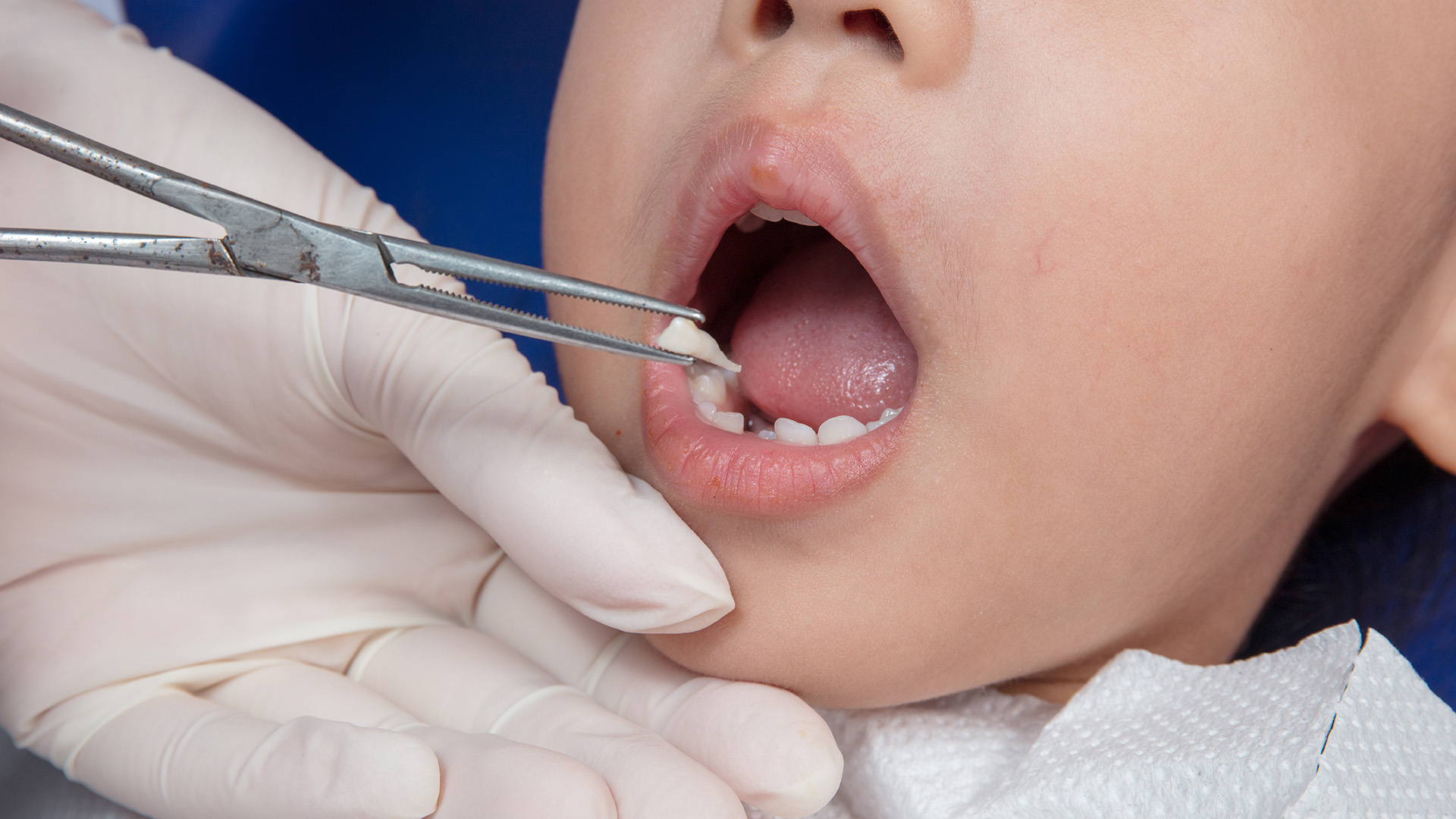
Most children maintain healthy smiles with routine checkups, good brushing, and a balanced diet. Still, there are times when removing a tooth is the safest way to protect a child’s oral health and guide proper development. Understanding why an extraction may be recommended helps parents make informed decisions and weigh alternatives. Below are the most frequent common reasons for kids to need tooth extractions, what to watch for, and how dental teams decide on the best next steps. When appropriate, a pediatric tooth extraction can be a straightforward procedure that supports long-term oral health.
Severe Tooth Decay
Tooth decay develops when bacteria consume sugars and release acids that break down enamel. Early signs appear as white spots and small cavities; without treatment, decay can progress into the dentin and pulp (nerve), causing pain and infection. Baby teeth have thinner enamel and dentin than adult teeth, so decay can advance more quickly in young children.
Indicators that decay may be advanced enough to warrant removal include ongoing toothache, sensitivity to temperature, visible holes or dark spots, gum swelling, persistent bad breath, and an abscess (pimple-like bump) on the gums. If a tooth is fractured from decay or can’t be restored to function, extraction may be advised to relieve pain and stop infection from spreading. In these situations, a pediatric tooth extraction may prevent complications and protect nearby teeth.
Dentists always consider conservative care first. Options may include fluoride varnish or silver diamine fluoride for early lesions, fillings for moderate cavities, and pulpotomy or pulpectomy (baby-tooth nerve therapy) with a stainless steel crown when the pulp is involved but the tooth is still savable. If infection continues, the tooth’s structure is too compromised, or pain persists despite treatment, extraction becomes the safest plan. When a primary molar is removed early, a space maintainer may be placed to preserve room for the permanent tooth.
Crowding of Teeth
Crowding occurs when the jaw doesn’t have enough space for all teeth to align properly. Contributing factors include genetics (small jaws or larger teeth), early loss of baby teeth that lets neighbors drift, habits like thumb sucking that influence jaw growth, and baby teeth that don’t fall out on time, blocking permanent teeth from erupting. Crowding is often seen as overlapping, rotated, or twisted teeth.
Crowded teeth are harder to keep clean, increasing the risk of cavities and gum inflammation. Crowding can also affect bite function, cause uneven wear, and impact a child’s smile. In growing children, inadequate space may disrupt the eruption path of permanent teeth, potentially leading to impaction or ectopic eruption (teeth coming in off course). For some families, this is one of the common reasons for kids to need tooth extractions as part of a broader orthodontic plan.
Orthodontists evaluate jaw size, tooth size, and eruption timing to decide how to create space and guide growth. Treatment options may include palatal expansion, selective enamel reshaping between teeth (interproximal reduction in teens), and braces or aligners. In some cases, extracting a primary tooth at the right time can help a permanent tooth erupt in a healthier position. For significant crowding in the permanent dentition, planned removal of specific permanent teeth may be part of a comprehensive orthodontic plan to achieve a stable bite and balanced facial profile. The goal is always to use the least invasive approach that supports long-term oral health.
Impacted Teeth
An impacted tooth is blocked from erupting into its normal position. In children and teens, commonly impacted teeth include upper canines and premolars; wisdom teeth are more relevant in older teens. Crowding, retained baby teeth, abnormal tooth positioning, and growth patterns can all contribute to impaction.
Signs may include delayed eruption compared with the opposite side, a missing tooth in the dental arch, tenderness or a small swelling over the area, or root resorption (damage) to adjacent teeth seen on X-rays. Some impacted teeth are painless and discovered during routine orthodontic exams.
Extraction is considered when an impacted tooth threatens nearby teeth, causes pain or cysts, or has a low chance of being moved into alignment. For many impacted canines, exposure and orthodontic traction are the preferred approach to bring the tooth into the arch. If the position is unfavorable, root damage is occurring, or orthodontic correction isn’t feasible, removal may be recommended. Panoramic X-rays or 3D scans help determine a safe, predictable plan for a pediatric tooth extraction if needed.
Oral Trauma or Injury
Active kids can experience dental injuries from sports, falls, biking, and other accidents. Common injuries include chips or fractures, displaced teeth (luxation), knocked-out teeth (avulsion), and root fractures. Soft tissue injuries to the lips and gums often occur at the same time.
Whether a tooth needs to be removed depends on the type and extent of damage. Teeth with large fractures extending below the gumline, severe displacement with compromised blood supply, or non-restorable crown and root fractures may require extraction. In baby teeth, removal is often preferred if there’s a risk of harming the developing permanent tooth underneath. For permanent teeth, dental teams prioritize saving the tooth when possible through repositioning, splinting, root canal therapy, and restorations. Prompt care greatly improves outcomes and can sometimes avoid a pediatric tooth extraction.
Prevention helps reduce extractions related to trauma. Encourage well-fitted mouthguards for contact and stick sports, helmets for biking and skating, and face protection when appropriate. Keep play areas free of tripping hazards and teach safe use of scooters and playground equipment. Regular dental visits can identify at-risk teeth and allow for custom mouthguards with superior protection.
How Dentists and Orthodontists Decide
Every recommendation is tailored to the child’s age, growth stage, and overall oral health. Dental teams consider:
- Extent of damage or disease and the tooth’s structural integrity
- Symptoms such as pain, infection, or swelling
- Eruption timing and space for incoming permanent teeth
- Impact on adjacent teeth and long-term bite stability
- Potential to restore and maintain the tooth comfortably
In most cases, preserving the tooth is the first choice. When removal offers the best path to relieve pain, prevent infection, protect neighboring teeth, or support proper alignment, your dentist or orthodontist will explain why and outline what to expect before and after treatment. This context helps parents understand the common reasons for kids to need tooth extractions and when a pediatric tooth extraction is the most appropriate step.
What Parents Can Do
- Schedule routine dental visits to catch issues early.
- Encourage twice-daily brushing with fluoride toothpaste and daily flossing.
- Limit sugary snacks and drinks, and offer water between meals.
- Discuss habits like thumb sucking or mouth breathing with your dentist.
- Use sports mouthguards and helmets for active play.
- Seek prompt dental care after any tooth injury or sudden toothache.
If your child is facing a possible extraction, ask about alternatives, the timing of treatment, and how space will be managed afterward. With thoughtful planning and preventive care, most children can avoid extractions, or navigate them comfortably when they truly are the best option.