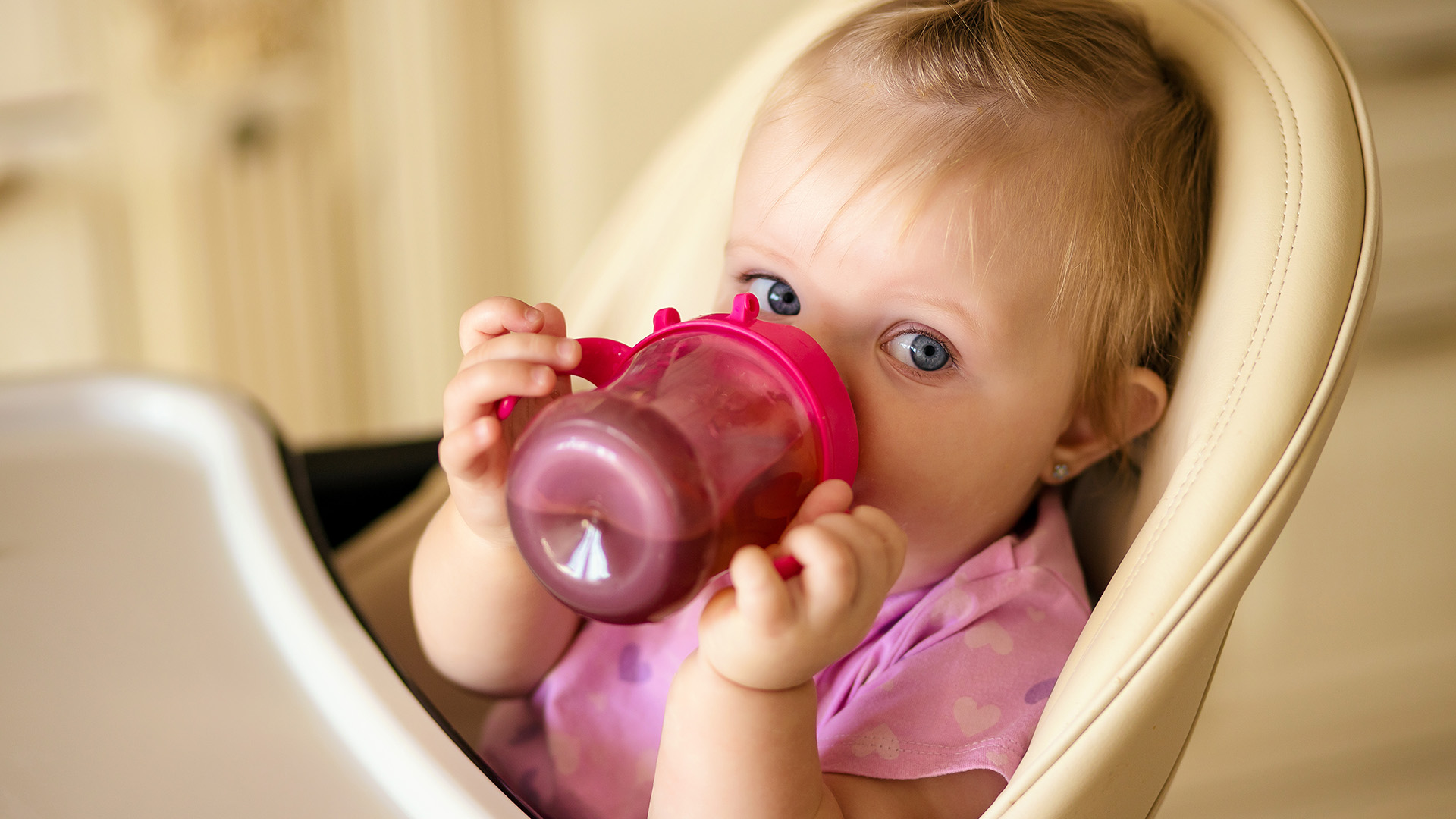
Sippy cups can be a helpful bridge from bottles to open cups, but they’re not intended as a long-term solution. Used thoughtfully, they limit spills, build confidence, and fit busy routines. Used too often or for too long, they may contribute to dental issues and slow the development of mature drinking and speech skills. So, are sippy cups bad for kids? We will explain how sippy cups work, outline potential risks, offer practical guidelines, and suggest smart alternatives so you can choose what fits your child and family best. If you’ve ever wondered, the answer depends on what’s inside, how often they’re used, and how quickly you transition to straw and open cups.
Understanding Sippy Cups
A sippy cup is a child’s cup with a lid and a spout or valve that helps prevent spills. Its purpose is to support the transition from bottles to open cups, allowing toddlers to practice holding and drinking with less mess, especially useful during busy, on-the-go moments when an open cup isn’t practical.
Many children are ready to explore a training cup between 6 and 9 months, when they can sit with support and show interest in self-feeding. By around 12 months, pediatric and dental professionals generally encourage a gradual shift toward open or straw cups, using sippy cups only as needed. Readiness signs include reaching for your cup, good head and trunk control, and curiosity about drinking independently.
Sippy cups vary by design and function. Options include hard-spout cups that require tilting and sucking; soft-spout cups that are gentler on gums but still promote a sucking pattern; straw cups that encourage a more mature sip-and-swallow pattern; and open-cup trainers that slow flow while mimicking open-cup drinking. Common materials are BPA-free plastic, silicone, and stainless steel. When comparing products, consider ease of cleaning (especially valves), flow rate, leak control, and cup size suited to small hands.
Potential Risks of Sippy Cups
Dental health is the main concern when sippy cups are used frequently with sugary drinks such as juice, flavored milk, or sports drinks. Prolonged, frequent sipping exposes teeth to sugars and acids, increasing the risk of cavities. Even milk contains natural sugar (lactose), so nursing a cup of milk throughout the day or at bedtime can contribute to tooth decay. The risk rises when children fall asleep with a sippy cup or drink without brushing before bed.
Extended use of spouted cups can also maintain a bottle-like sucking pattern rather than promoting mature drinking mechanics. This may limit the development of tongue elevation, lip closure, and jaw stability needed for clear speech and efficient swallowing. While many children use sippy cups without lasting problems, heavy reliance on spouted designs, especially if they replace opportunities to practice with open or straw cups, may slow oral motor skill refinement.
Overuse can influence eating habits and safety, too. Children may fill up on beverages and eat less at mealtimes, or carry a cup for comfort rather than true thirst. Running or playing with a cup in the mouth raises the risk of injury or choking. Finally, sippy cups with intricate valves can harbor bacteria if parts aren’t taken apart and cleaned thoroughly, which can increase the risk of mouth and stomach illnesses.
Best Practices for Sippy Cup Usage
- Treat sippy cups as a short-term tool. Prioritize water for most sipping. Offer milk with meals and snacks. Limit juice according to your pediatrician’s guidance, if you offer it at all.
- Encourage structured drink times instead of continuous sipping. Avoid sending a child to bed with a sippy cup. Brush teeth after the last drink in the evening.
- Clean thoroughly every day. Disassemble lids, valves, and straws to wash all surfaces. Replace worn parts that trap residue or show mold.
Begin transitioning toward open or straw cups around the first birthday. Start with short, supervised practice at the table using a small, lightweight open cup with just a few sips of water. For outings, a simple, easy-to-clean straw cup is often a better choice than a spouted design. Gradually limit when and where spouted sippy cups are used, such as meals at home only, then phase them out completely.
To prevent over-reliance, pay attention to how often your child carries a cup and what’s inside it. If they’re constantly sipping, establish set drink intervals. Watch for readiness cues like steady two-handed holding, secure lip closure on a straw, and controlled sips without coughing. Expect spills, keep practice positive, and praise progress to build confidence.
Alternatives to Sippy Cups
Straight straw cups and open cups support more mature oral motor patterns than spouted sippy cups. Straw drinking promotes lip closure, tongue control, and jaw stability, skills important for clear speech and efficient swallowing. Open cups foster natural sipping and pacing and reduce prolonged contact of sugary liquids with teeth when used during meals. Both options build independence and can lower cavity risk when paired with water and tooth-friendly routines.
Match the cup to your child’s stage:
- 6 to 12 months: Small open-cup trainers or simple straw cups with gentle flow. Offer tiny amounts of water during meals for practice.
- 12 to 24 months: Lightweight, durable cups with lids that come apart easily for cleaning. Choose BPA-free materials and avoid overly complex valves that trap residue.
Support independent drinking with calm, consistent practice. Demonstrate sipping, offer small pours to limit spills, and seat your child securely in a highchair. A short, soft straw can make lip closure easier for beginners. Focus on progress over perfection, steady practice helps most children transition away from sippy cups and drink confidently from straw and open cups.
Quick Comparison: Sippy vs. Straw vs. Open Cups
| Cup Type | Main Benefits | Considerations | Best Use |
| Spouted Sippy | Reduces spills; easy for travel and early independence | Encourages sucking pattern; higher cavity risk with sugary drinks; needs thorough cleaning | Short-term, situational use while transitioning |
| Straw Cup | Promotes mature sip-swallow pattern; good for on-the-go | Valves and straws must be cleaned well; choose gentle flow | Primary cup after ~12 months, especially outside the home |
| Open Cup/Trainer | Supports natural sipping and pacing; simplest to clean | More spills at first; requires supervision | Daily practice at meals from early toddler stage |
Bottom Line for Parents
Sippy cups aren’t “bad,” but they are best used as a temporary, practical tool. To protect teeth and support speech and swallowing skills, use sippy cups sparingly, offer mostly water, avoid bedtime sipping, and clean parts thoroughly. Begin practicing with open and straw cups around the first birthday and phase out spouted designs as your child gains confidence. When you weigh if sippy cups are bad for kids, consider the context: what your child drinks, how long they use a spouted cup, and whether you are actively practicing with straw and open cups. With consistent, low-pressure practice, most children quickly build the skills to drink safely and independently, without relying on sippy cups long term. In short, the question “are sippy cups bad for kids” is best answered with balance and moderation.