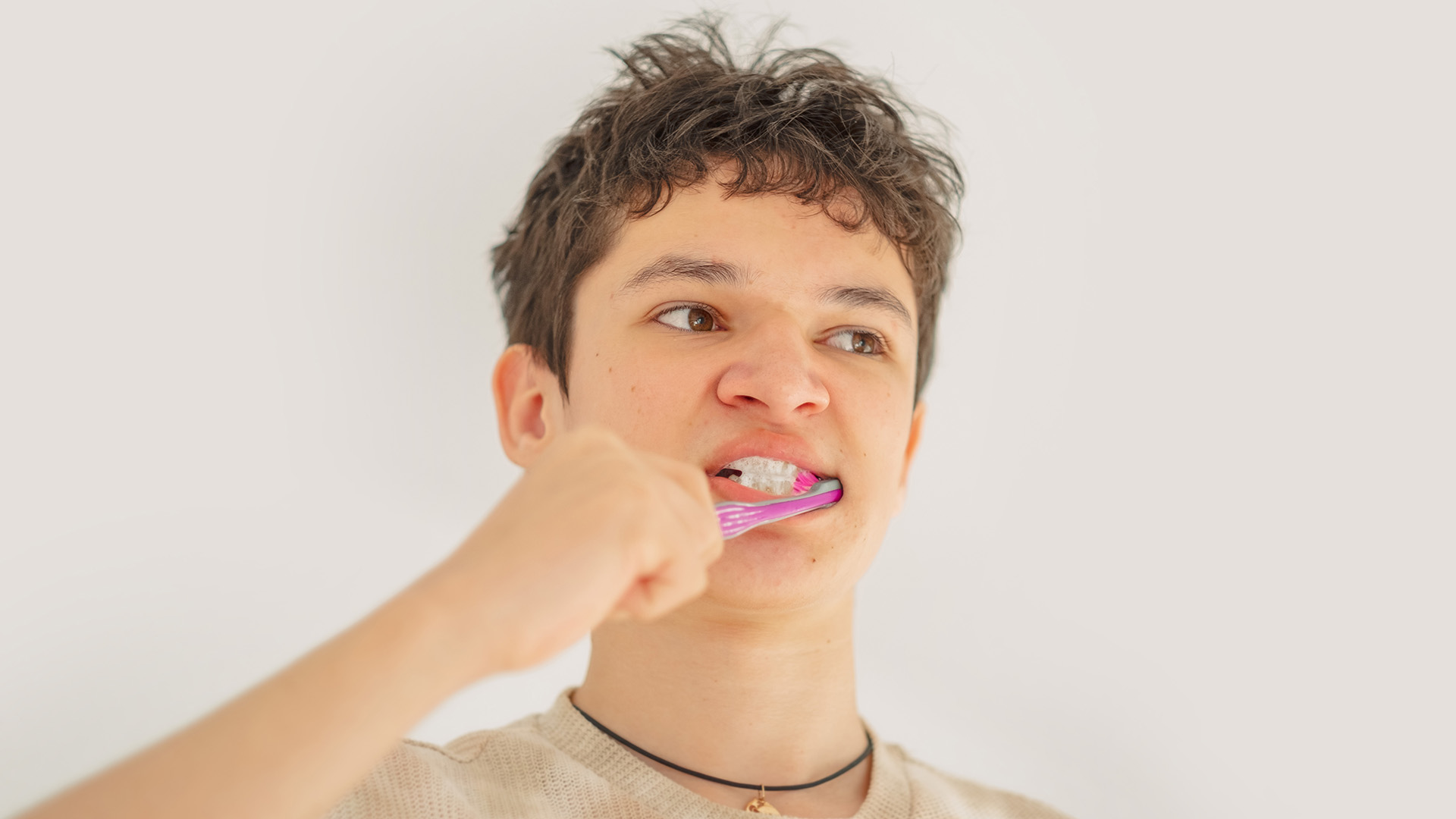
Adolescence bridges childhood and adulthood, and oral health needs shift markedly during this period. Pediatric dentistry covers infants through early teens, while adolescent dentistry focuses on the clinical, behavioral, and developmental factors that emerge from puberty through the late teen years. Recognizing the difference helps families choose the right care at the right time, especially when orthodontics, wisdom teeth, changing habits, and lifestyle risks come into play.
Age Ranges and Developmental Differences
Early childhood (0–5) is when baby teeth erupt and daily habits like brushing, diet, and fluoride exposure are established. Middle childhood (6–11) brings mixed dentition as permanent teeth begin to replace primary teeth. Adolescence (12–18) is marked by a mostly permanent dentition, rapid skeletal growth, and hormonal changes that influence teeth, gums, and jaws.
By early adolescence, most permanent teeth have erupted; second molars typically appear around ages 11–13. The jaws and facial bones undergo growth spurts that affect bite development and guide orthodontic timing. Wisdom teeth (third molars) begin forming in the mid-teen years and may erupt in the late teens or early twenties, so monitoring their position and development becomes an adolescent priority.
Puberty-related hormonal changes can heighten gum inflammation, increasing the risk of gingivitis even when plaque levels are similar. Newly erupted permanent teeth are more vulnerable to acids and decay, making fluoride applications and sealants especially beneficial. Hormones may also influence eruption timing and orthodontic tooth movement, which are key considerations in treatment planning during the teen years.
Training, Specialties, and Provider Roles
Pediatric dentists complete dental school followed by two to three years of advanced training focused on infants, children, and early adolescents. Their expertise includes growth and development, behavior guidance, sedation, and care for children with special health care needs. Many continue caring for patients into the teen years, particularly when growth monitoring and eruption patterns guide decision-making.
Some general dentists build additional expertise in adolescent care through continuing education, addressing teen-specific needs such as sports injuries, cosmetic concerns, and risk-based prevention. Orthodontists complete specialty training after dental school to diagnose and treat bite and alignment issues during growth, placing them at the center of adolescent treatment planning.
Referrals are strategic in adolescence. Orthodontic referrals address crowding, spacing, bite discrepancies, and jaw growth concerns. Oral surgeons manage impacted or symptomatic wisdom teeth, complex extractions, and certain injuries. Periodontists may be involved when gum disease extends beyond routine gingivitis or when gum recession develops around orthodontic appliances.
Board certification signals a commitment to high standards. Pediatric dentists and orthodontists can pursue certification through their respective boards, and all providers benefit from ongoing education in areas such as orthodontic biomechanics, airway and sleep-related concerns, sports dentistry, and management of high-caries risk teens.
Treatment Approaches and Common Procedures
Preventive care in adolescence targets both biology and behavior. Sealants applied to the grooves of permanent molars help prevent cavities. Fluoride strategies may include in-office varnish and prescription-strength toothpaste for teens with higher risk. Custom sports mouthguards protect teeth and braces during athletics. Routine hygiene visits reinforce brushing, flossing or water flossing, and techniques for cleaning around brackets and wires.
Restorative and surgical needs shift to the permanent dentition. Cavities are treated in permanent molars and premolars, and enamel wear from acids or grinding may be managed with protective therapies. Orthodontic assessment is often timed to growth spurts for more efficient and stable outcomes. Extractions can include premolars for orthodontic space management or third molars when indicated by impaction, crowding, or recurrent infections.
Communication strategies evolve as adolescents seek independence. Motivational interviewing, collaborative goal setting, and clear expectations support ownership of oral hygiene. Private, respectful conversations about diet, vaping, and sports habits encourage honest dialogue, while parents remain involved for consent, scheduling, and support.
Oral Health Challenges Unique to Adolescents
Teen diets often raise cavity risk. Frequent snacking, energy drinks, and acidic beverages can erode enamel and fuel tooth decay. Vaping and smoking increase gum inflammation, dry mouth, and delayed healing, and can complicate orthodontic treatment. Athletic activities without proper protection elevate the risk of dental injuries; mouthguards are essential for contact and high-intensity sports.
Orthodontic appliances create areas where plaque accumulates, raising the likelihood of white spot lesions and gingivitis. Oral piercings can chip teeth, cause gum recession, and lead to infections. Some acne treatments and other medications reduce saliva, resulting in dry mouth and increased decay risk; providers may recommend saliva-support strategies and targeted fluoride regimens.
Mental health, body image, and stress can affect hygiene consistency and attendance. Supportive, nonjudgmental care, clear treatment roadmaps, and simplified routines improve adherence. When appropriate, coordination with physicians or mental health professionals can help ensure safe, effective dental care.
Preventive Education, Transition of Care, and Family Involvement
Parents can help teens take responsibility by gradually shifting routine tasks. Encourage twice-daily brushing with fluoride toothpaste, consistent flossing or water flossing around orthodontic appliances, and regular checkups every six months or as recommended. Invite teens to participate in scheduling and managing reminders, with parental oversight for consent and transportation.
Preparing for adult dental care begins in the late teen years. Teens should understand how to update medical histories, navigate insurance basics, and maintain preventive care after orthodontics or wisdom teeth management. The first adult visits will be familiar, exam, cleaning, and X-rays as needed, but may include conversations about long-term risks like gum disease, clenching or grinding, and restorative planning.
Practical strategies include carrying a travel kit for after-school brushing with braces, using a fluoride mouthrinse if cavities are a concern, and wearing a properly fitted mouthguard for all practices and games. For insurance and consent, confirm coverage for orthodontic and surgical referrals, and ensure a parent or legal guardian is available to consent for minors. A teen-friendly experience includes appropriate privacy, clear explanations, and technology that streamlines scheduling and communication.
Key Differences at a Glance
| Aspect | Pediatric Dentistry | Adolescent Dentistry |
| Typical Age Range | Infants through early teens | Puberty through late teens |
| Primary Focus | Growth, eruption, early habits, primary teeth | Permanent dentition, growth spurts, orthodontics, wisdom teeth |
| Common Procedures | Fluoride, sealants on first molars, behavior guidance | Advanced prevention, orthodontics, wisdom tooth evaluation, sports dentistry |
| Risk Factors | Early childhood caries, developmental issues | Diet and acids, vaping/smoking, appliance-related plaque, injuries |
| Team Involvement | Pediatric dentist as primary provider | Coordination with orthodontist, oral surgeon, and sometimes periodontist |
When to Consider a Specialist
- Orthodontist: crowding, spacing, bite problems, or jaw growth concerns.
- Oral surgeon: impacted or symptomatic wisdom teeth and complex extractions.
- Periodontist: gum disease beyond routine gingivitis or recession around braces.
Choosing providers with experience in adolescent care, and, when possible, board certification, helps ensure treatment plans align with growth patterns, lifestyle factors, and long-term oral health goals.