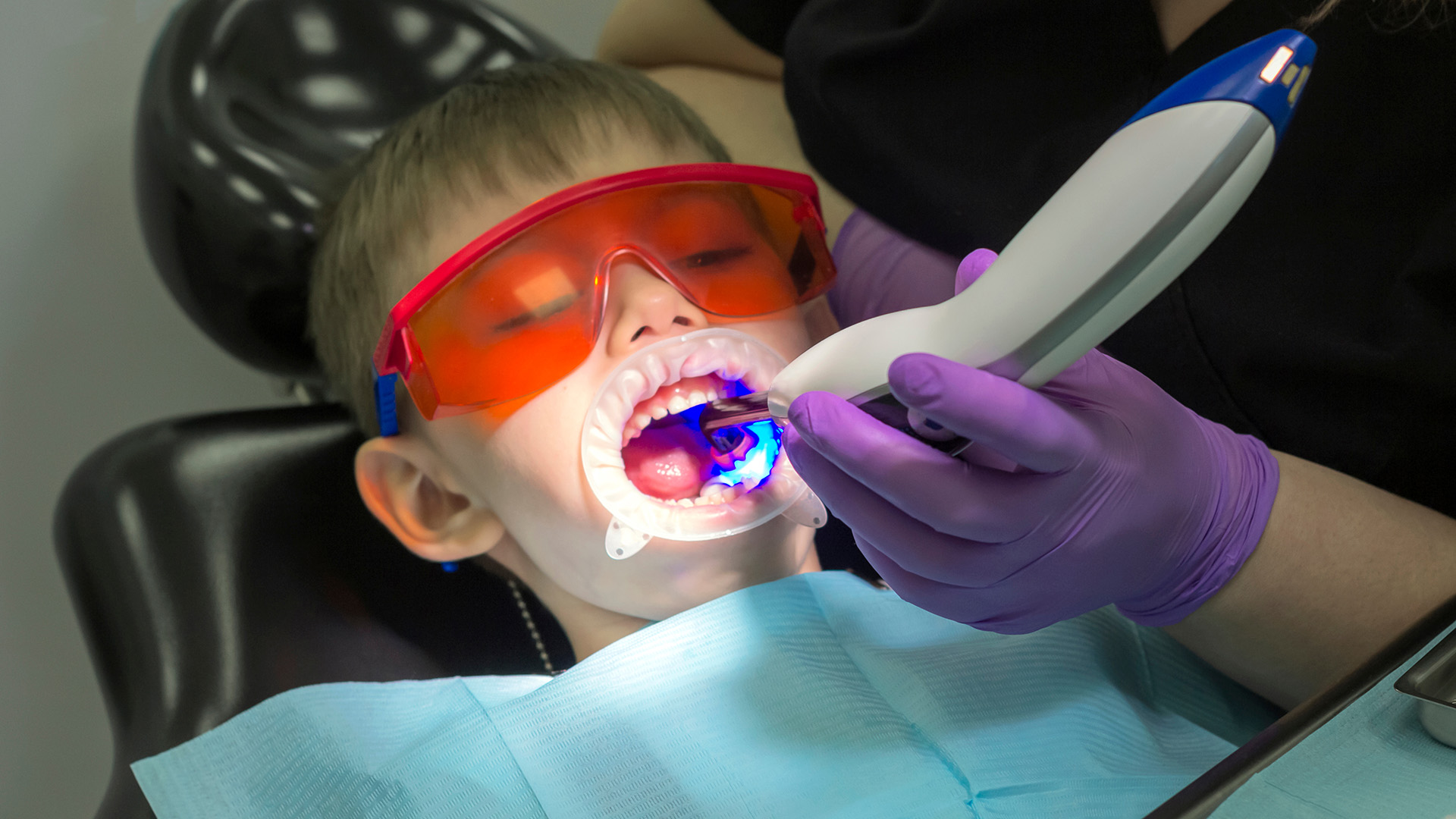
When a primary (baby) tooth has deep decay or trauma, your child’s dentist may recommend a pulpotomy or a pulpectomy. Both treatments relieve pain, control infection, and help preserve normal chewing and speaking. Knowing how they differ makes it easier to choose timely care that protects your child’s comfort, smile, and the healthy eruption of permanent teeth. Understanding pulpotomy vs. pulpectomy can also reduce anxiety by clarifying why one option may be preferred over the other.
Understanding Pulpotomy and Pulpectomy
A pulpotomy removes the inflamed or infected pulp from the crown (top) of a primary tooth while keeping the healthy nerve tissue in the roots. A soothing medicated material is placed over the remaining pulp, and the tooth is restored, most often with a stainless steel crown for strength. A pulpectomy removes all pulp tissue from both the crown and the root canals. After cleaning and shaping, the canals are filled with a child-safe, resorbable material and the tooth is restored.
We typically recommend a pulpotomy when decay has reached the nerve in the crown but the roots appear healthy on exam and X-rays. Signs can include brief pain with cold or sweets, sensitivity, or mild discomfort without swelling. A pulpectomy is considered when symptoms point to deeper involvement, spontaneous or lingering pain, swelling or abscess, mobility not related to normal eruption, or radiographic signs of infection in the roots. This practical distinction is central when discussing pulpotomy vs. pulpectomy with families.
The objectives differ slightly. A pulpotomy aims to remove irritation, preserve the vitality of the root pulp, and keep the tooth comfortable until it naturally falls out. A pulpectomy’s goal is to eliminate infection from the root canals, disinfect and fill those canals, and maintain the tooth’s function for chewing, speaking, and smiling without pain.
Key Differences: Procedure, Recovery, and Long-Term Results
What to expect during treatment
- Pulpotomy: Your child receives local anesthesia and, if needed, nitrous oxide or other behavior guidance. The dentist removes decay, opens the crown, and removes the diseased pulp from the top portion. A medicament is placed on the remaining pulp, and the tooth is restored, most commonly with a stainless steel crown to prevent fracture and leakage.
- Pulpectomy: The appointment begins similarly, then continues with cleaning and shaping the root canals. The canals are filled with a resorbable material compatible with a developing mouth, and the tooth is restored with a durable crown.
Recovery and aftercare
Most children experience minimal post-op discomfort. Mild tenderness for 24 to 48 hours is common and can usually be managed with over-the-counter pain relievers as directed by your dentist. Offer soft foods for the first day, help your child brush carefully around the treated tooth, and avoid sticky snacks that can dislodge a new crown. Call the office promptly if pain worsens after two days, if swelling develops, or if the crown feels loose.
Long-term outlook
When properly diagnosed and restored with a full-coverage crown, pulpotomies in primary molars have high success rates. Pulpectomies can also be very successful in maintaining a tooth that might otherwise be lost too early. Keeping a primary tooth in place supports space for the permanent tooth, helps with speech and chewing, and may reduce the chance of future orthodontic treatment due to space loss. Materials used are designed for primary teeth and, when placed correctly, do not harm developing permanent teeth.
How We Decide: Diagnosis, Alternatives, and When Treatment Can Be Avoided
Our diagnostic process blends a gentle clinical exam with your child’s symptoms and radiographs to evaluate decay depth, the health of the root canals, and any signs of infection. We consider factors such as the type of pain (momentary vs. lingering), sensitivity to cold or biting, swelling, tooth mobility, and the position of the permanent tooth bud. These findings guide whether a pulpotomy, pulpectomy, or another approach is the best fit. In every case, the discussion around pulpotomy vs. pulpectomy centers on the clinical evidence, your child’s comfort, and predictable success.
Conservative care is prioritized whenever appropriate. Small to moderate cavities may be treated with fillings, interim therapeutic restorations, fluoride varnish, or silver diamine fluoride to slow decay in select cases. We emphasize prevention at home: twice-daily brushing with fluoride toothpaste, daily flossing, limiting sugary snacks and drinks, and keeping up with professional cleanings and sealants. Strong prevention lowers the chance of needing pulp therapy later.
There are times when extraction is the healthiest option, for example, with advanced infection that involves bone, a tooth that cannot be restored, or a tooth close to its natural exfoliation. If extraction is recommended, we discuss space maintainers to safeguard alignment and reduce the risk of crowding. For children with complex needs or significant anxiety, we coordinate specialist care or advanced sedation so treatment is safe and comfortable. Our guiding principle is to preserve teeth that can be predictably maintained while protecting your child’s overall health.
Why Choose Our Approach to Pulpotomy or Pulpectomy
We provide child-focused care that blends comfort, safety, and quality. The team uses tell-show-do, distraction, and positive reinforcement to ease anxiety. For children who need extra support, options include nitrous oxide, in-office sedation when appropriate, and strict monitoring that meets current safety standards. Parents are kept informed at every step so expectations are clear and visits feel manageable.
Clinical excellence is a priority. Evidence-based techniques, biocompatible medicaments, and resorbable canal filling materials are selected for primary teeth. Full-coverage crowns, rubber dam isolation, and modern sterilization practices enhance long-term success. Follow-up includes periodic evaluations, X-rays when indicated, and ongoing home-care coaching to keep the tooth healthy until it naturally sheds. Whether the plan is a pulpotomy or a pulpectomy, attention to detail improves comfort and outcomes.
Logistics matter too. Flexible scheduling, efficient appointments, and help with insurance benefits and financing make timely care easier. From the first phone call to the final follow-up, the goal is a smooth, supportive experience that keeps your child comfortable and parents confident in the plan.
Frequently Asked Questions
Is a crown always needed after a pulpotomy or pulpectomy? In primary molars, a stainless steel crown is strongly recommended because it seals the tooth and resists fracture and leakage, improving long-term success.
Will my child feel pain during the procedure? Local anesthesia keeps the area numb, and behavior guidance or sedation is tailored as needed. Most children feel pressure and vibration rather than sharp pain.
How long do these treatments last? The goal is to keep the tooth comfortable until it is ready to fall out naturally. With good home care and routine checkups, many treated teeth remain symptom-free until exfoliation.
What if there is swelling or an abscess? Swelling often means the infection has reached the root canals, making a pulpectomy or extraction more likely than a pulpotomy. X-rays and clinical signs are reviewed to recommend the safest option.
Can we wait and see? Delaying care can let decay and infection spread, increasing the risk of pain or emergency treatment. If a tooth qualifies for a conservative option, it will be discussed, but timely treatment usually leads to the best outcome when choosing between pulpotomy vs. pulpectomy or an alternative.